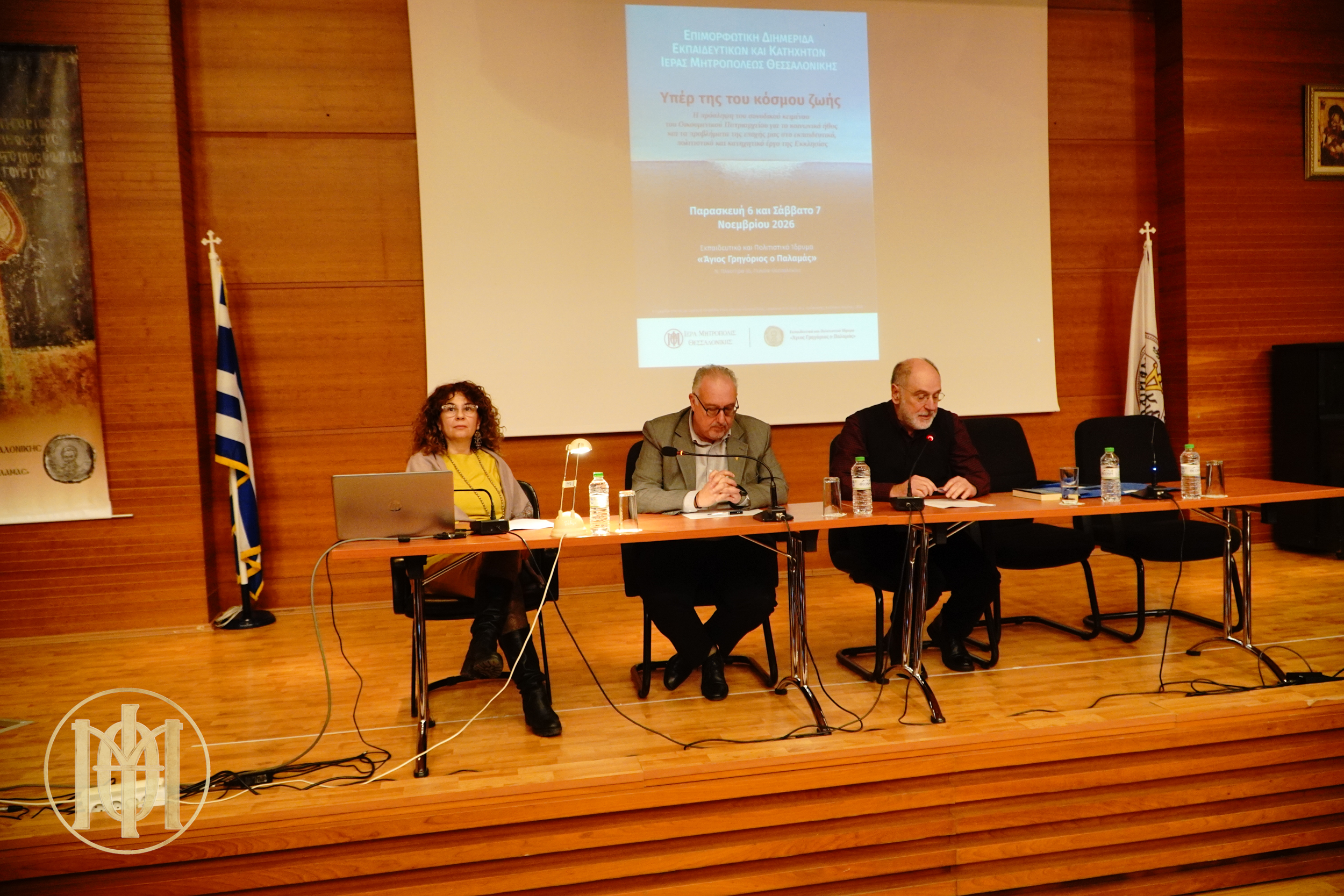
“FOR THE LIFE OF THE WORLD“ A Theological and Educational Conference Held in Thessaloniki
November 6–7, 2026 | Holy Metropolis of Thessaloniki, Greece
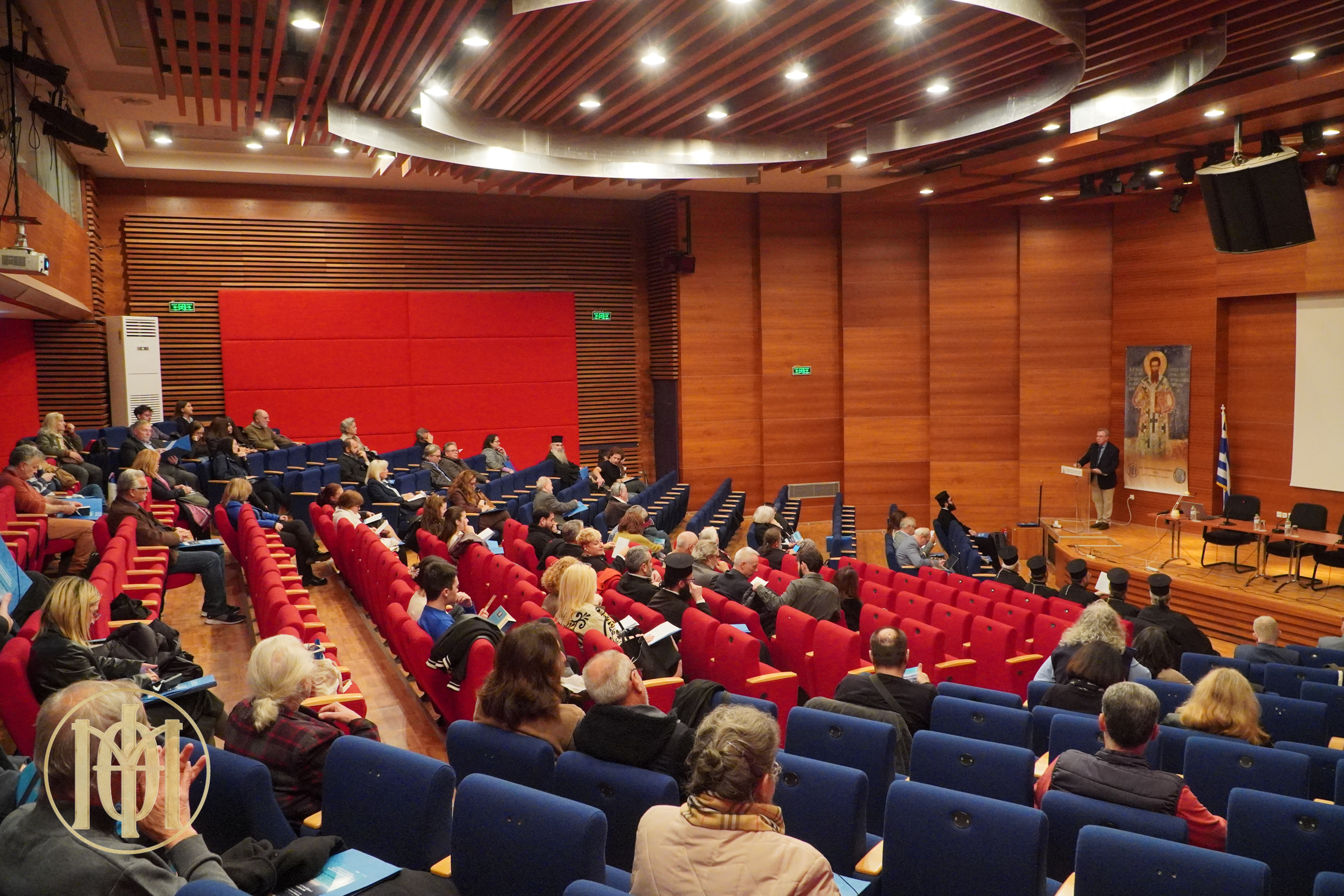
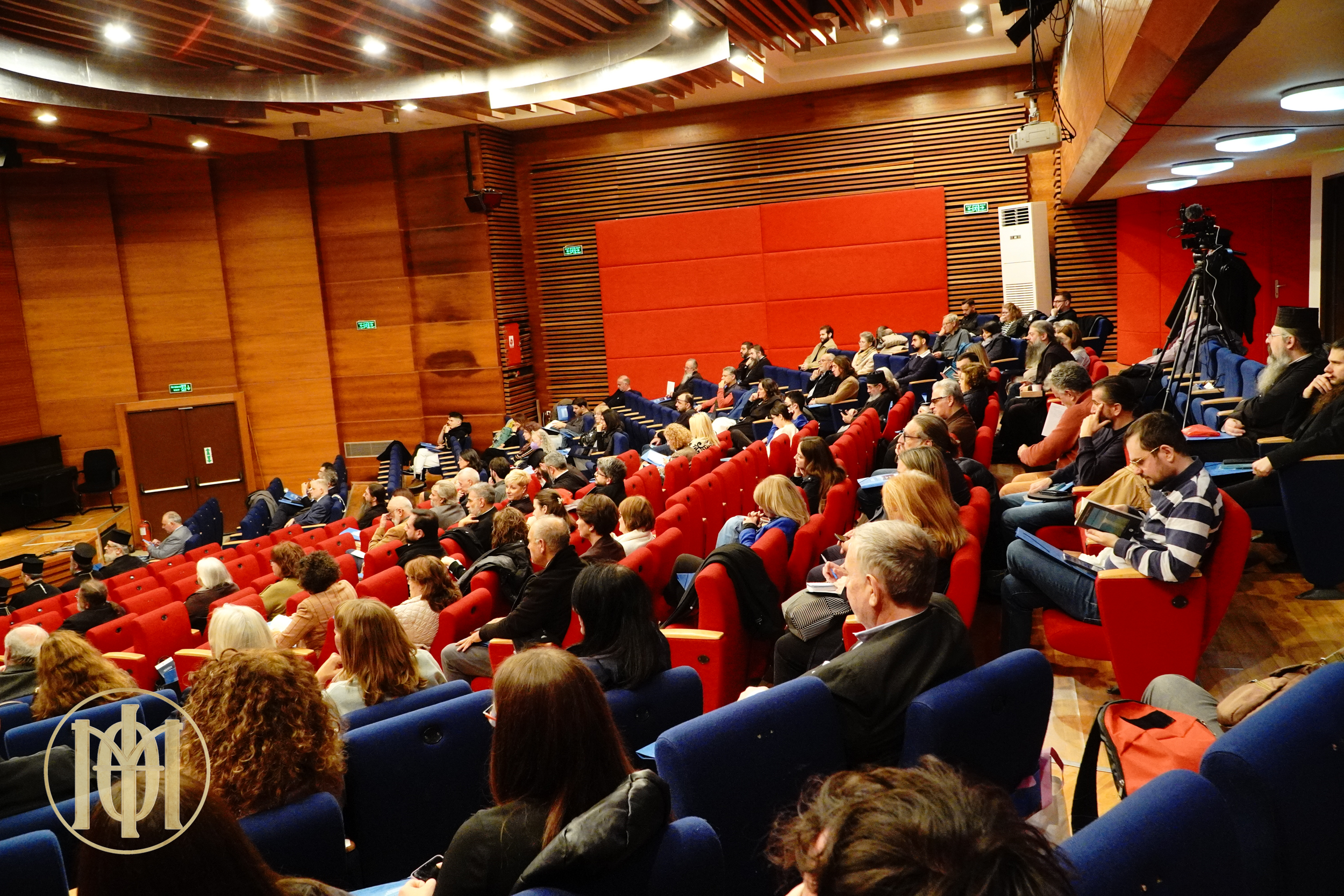
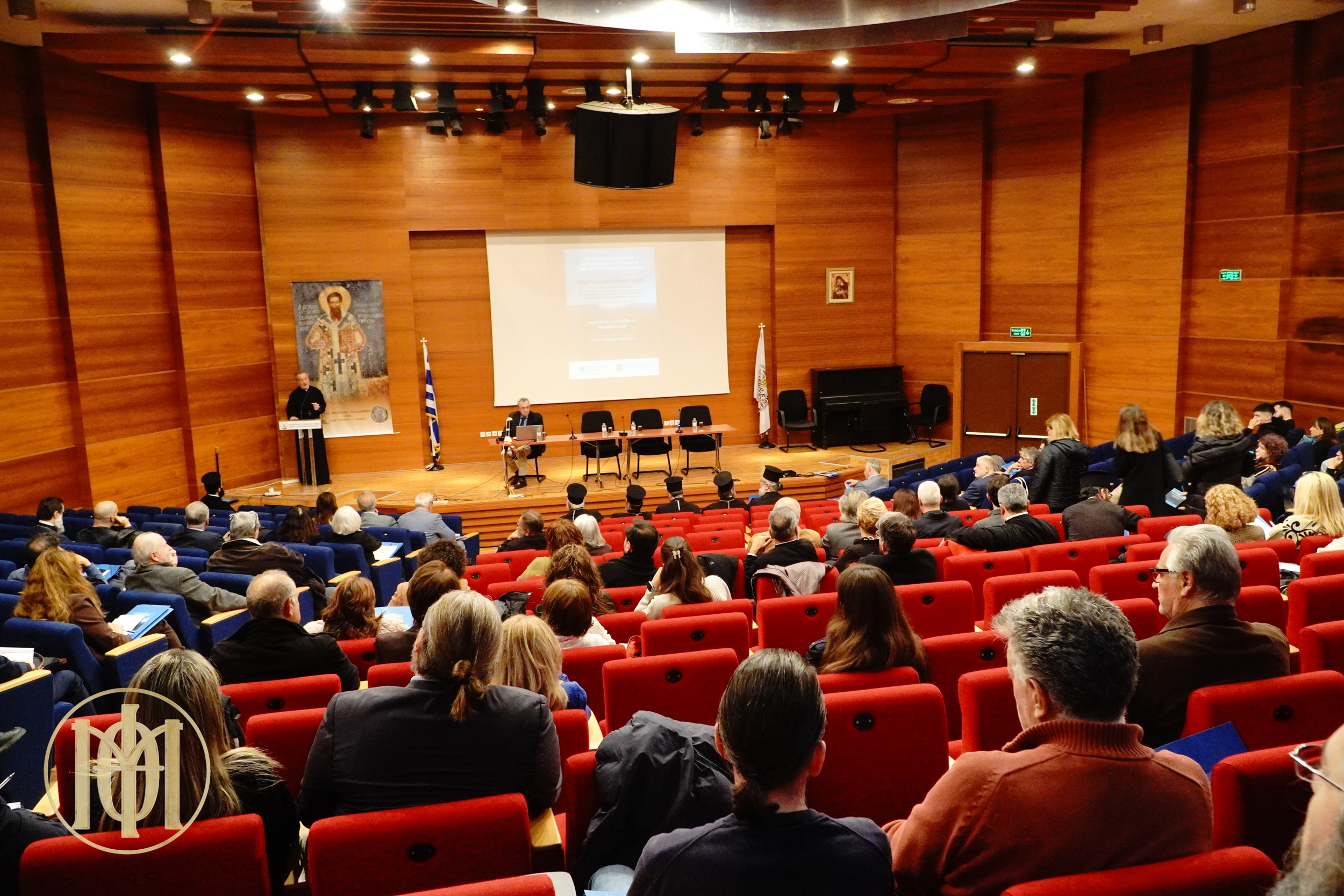
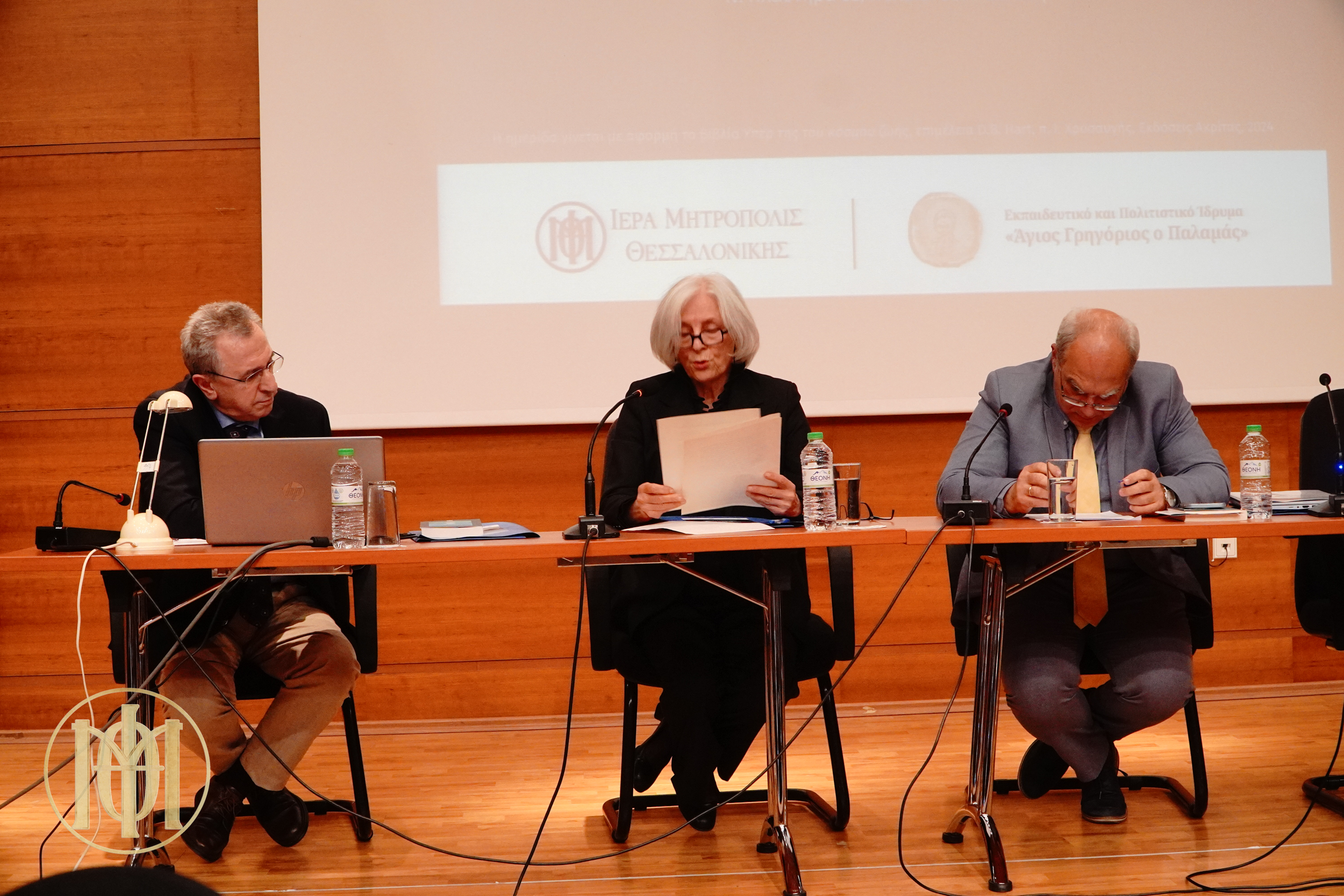
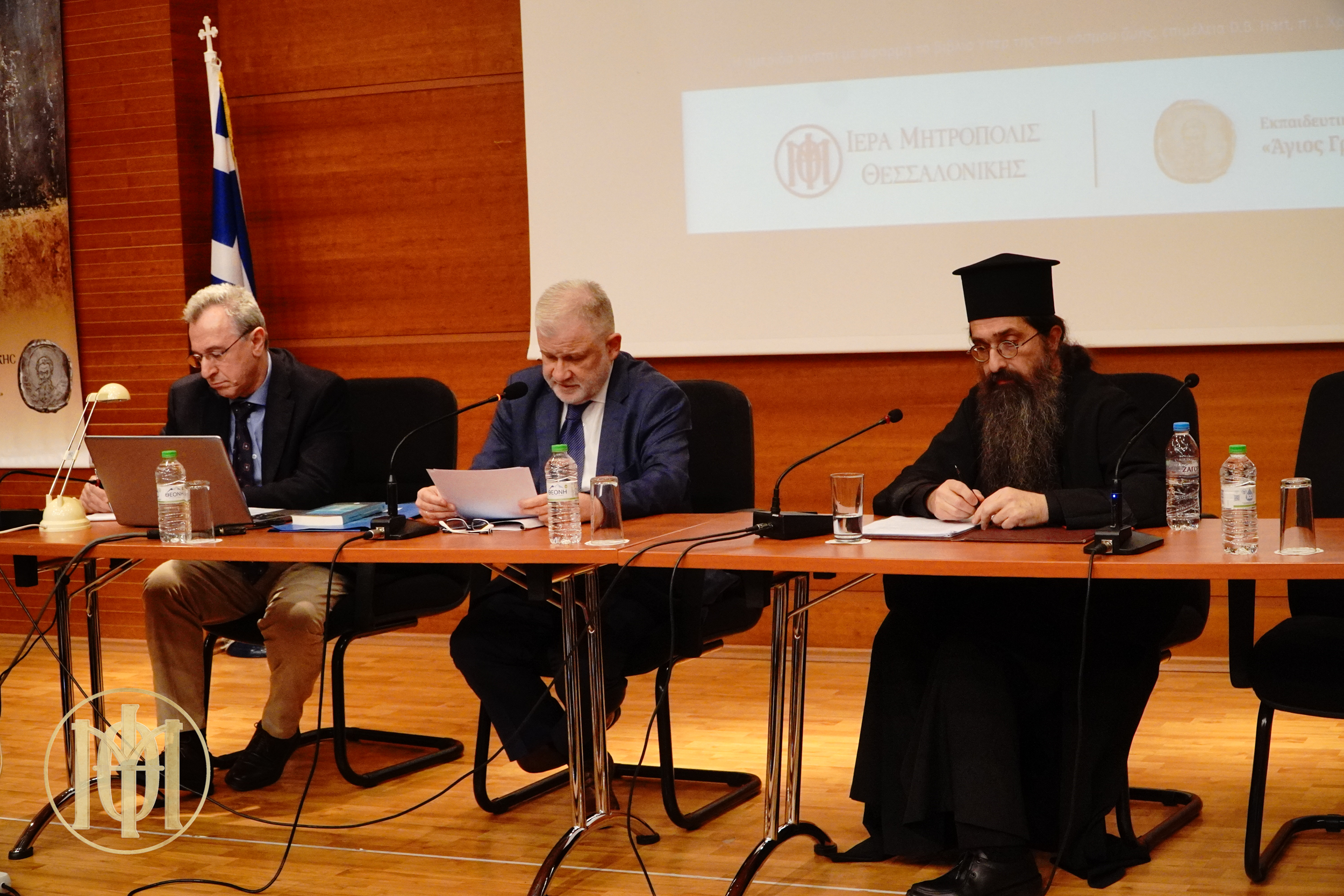
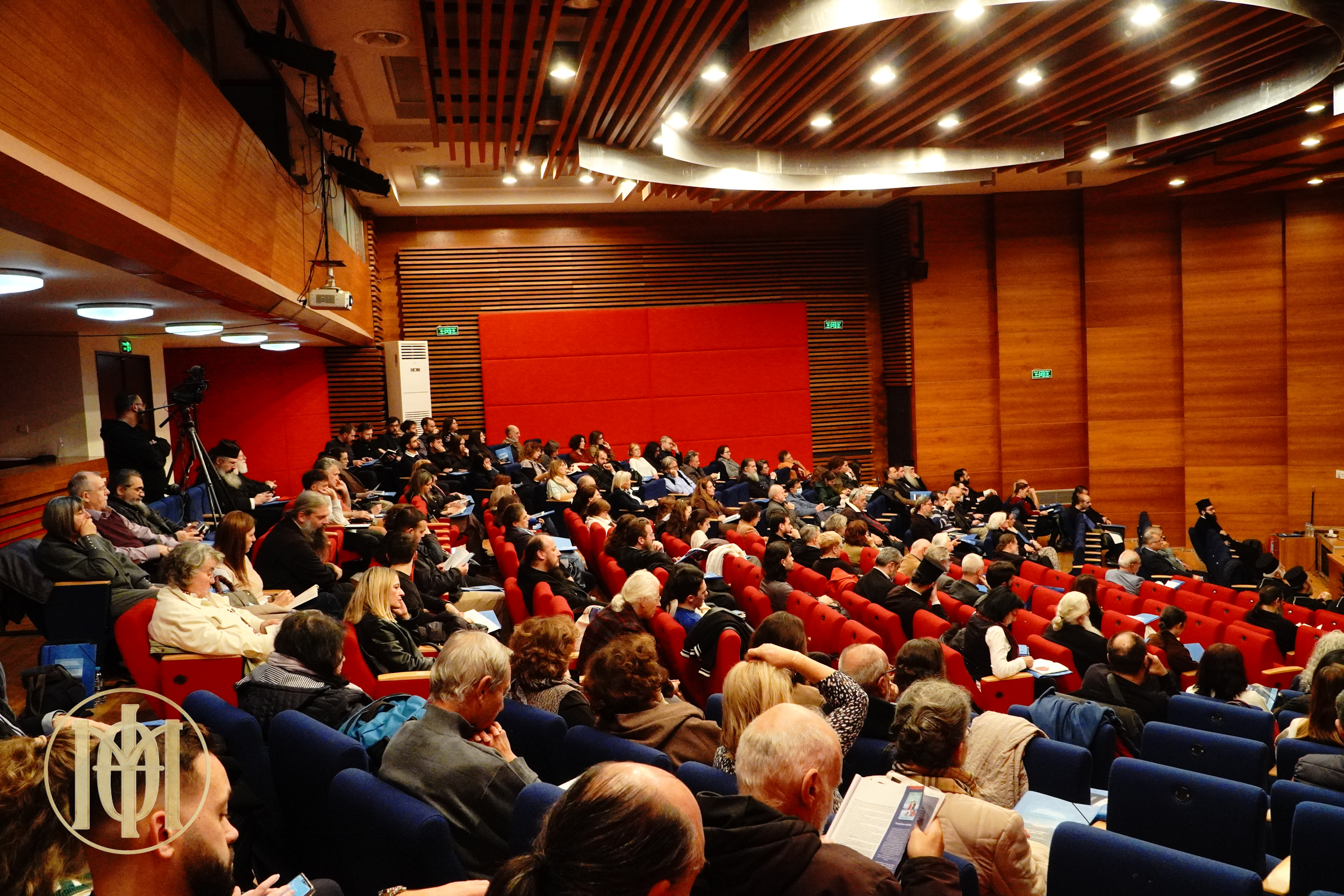
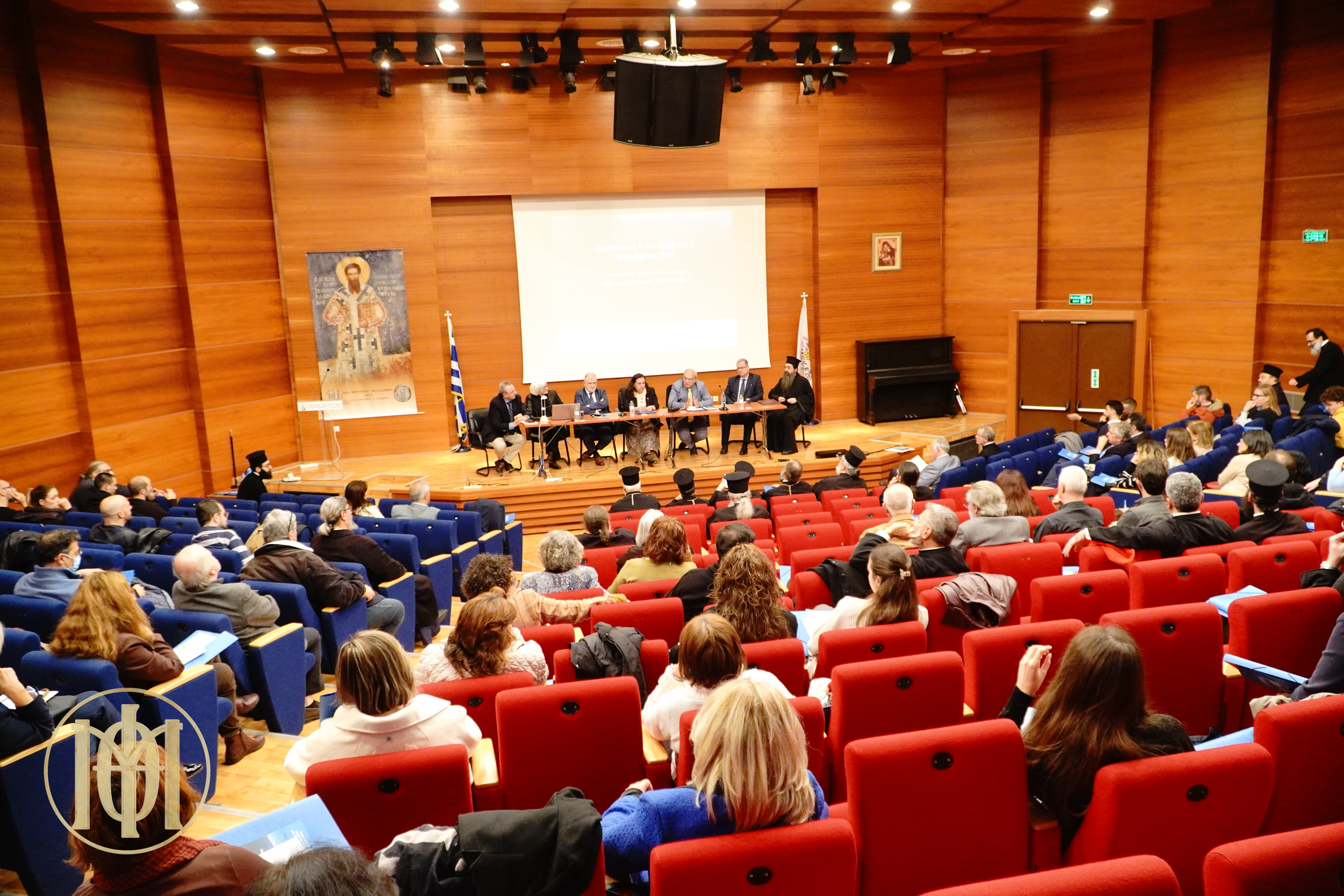
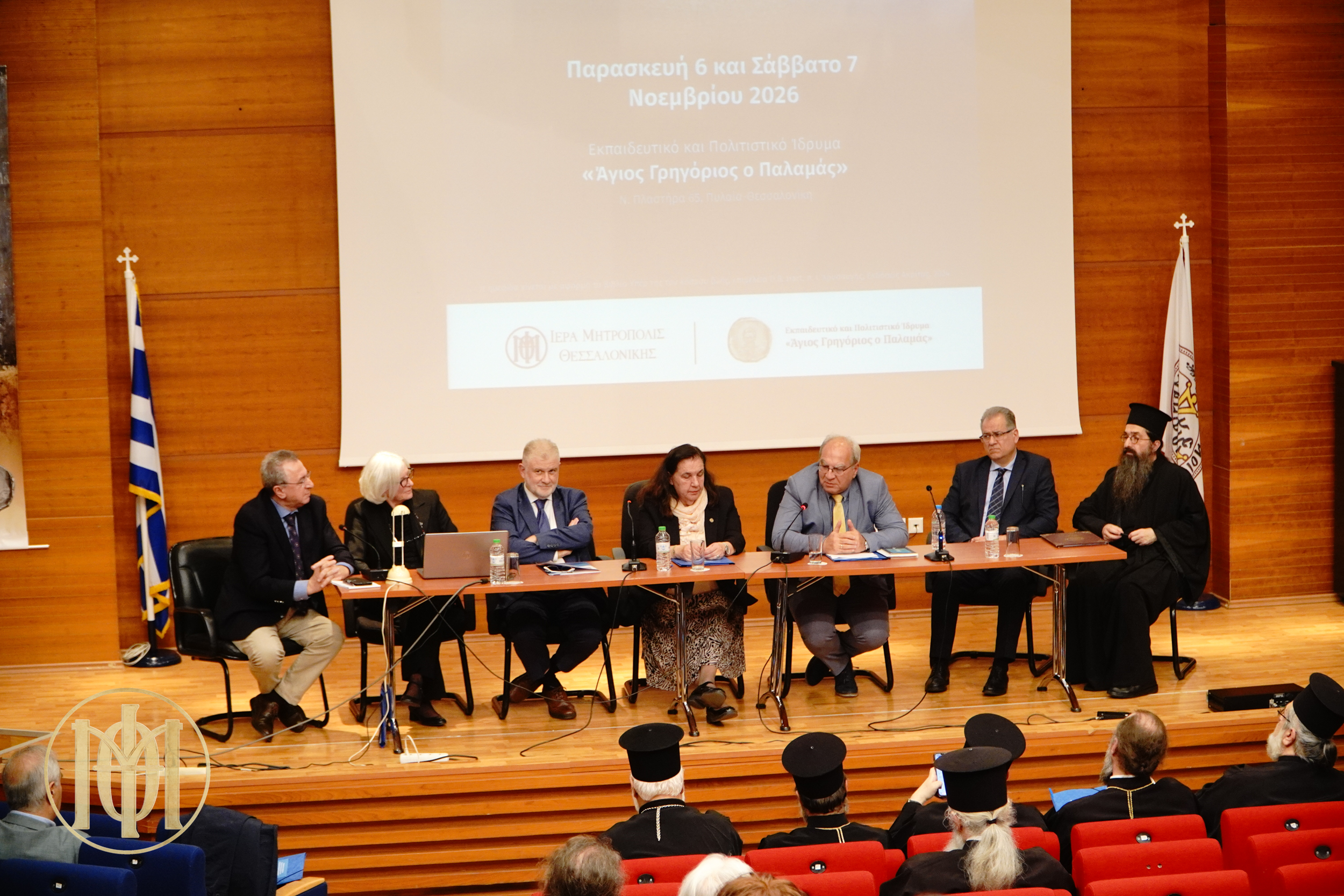
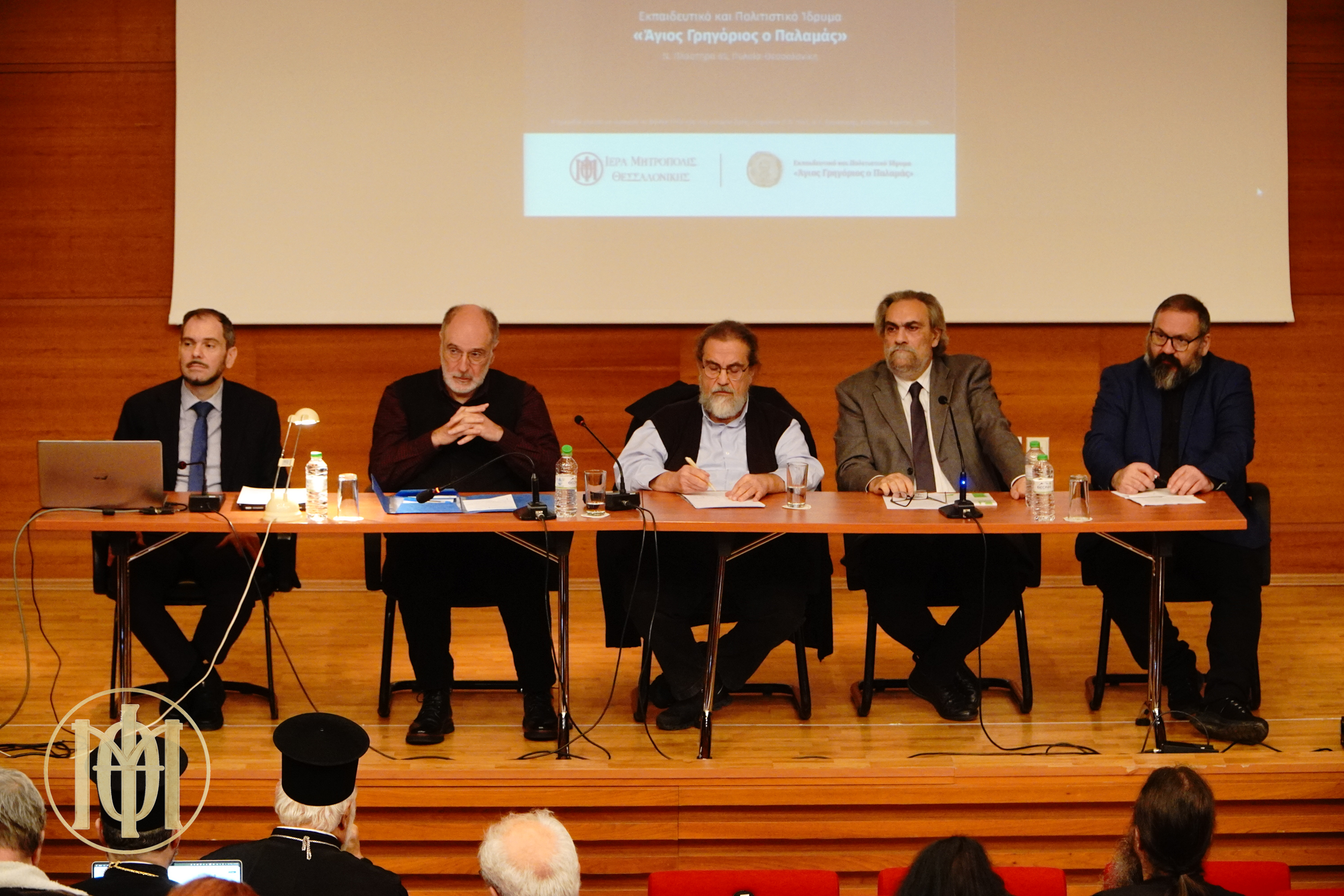
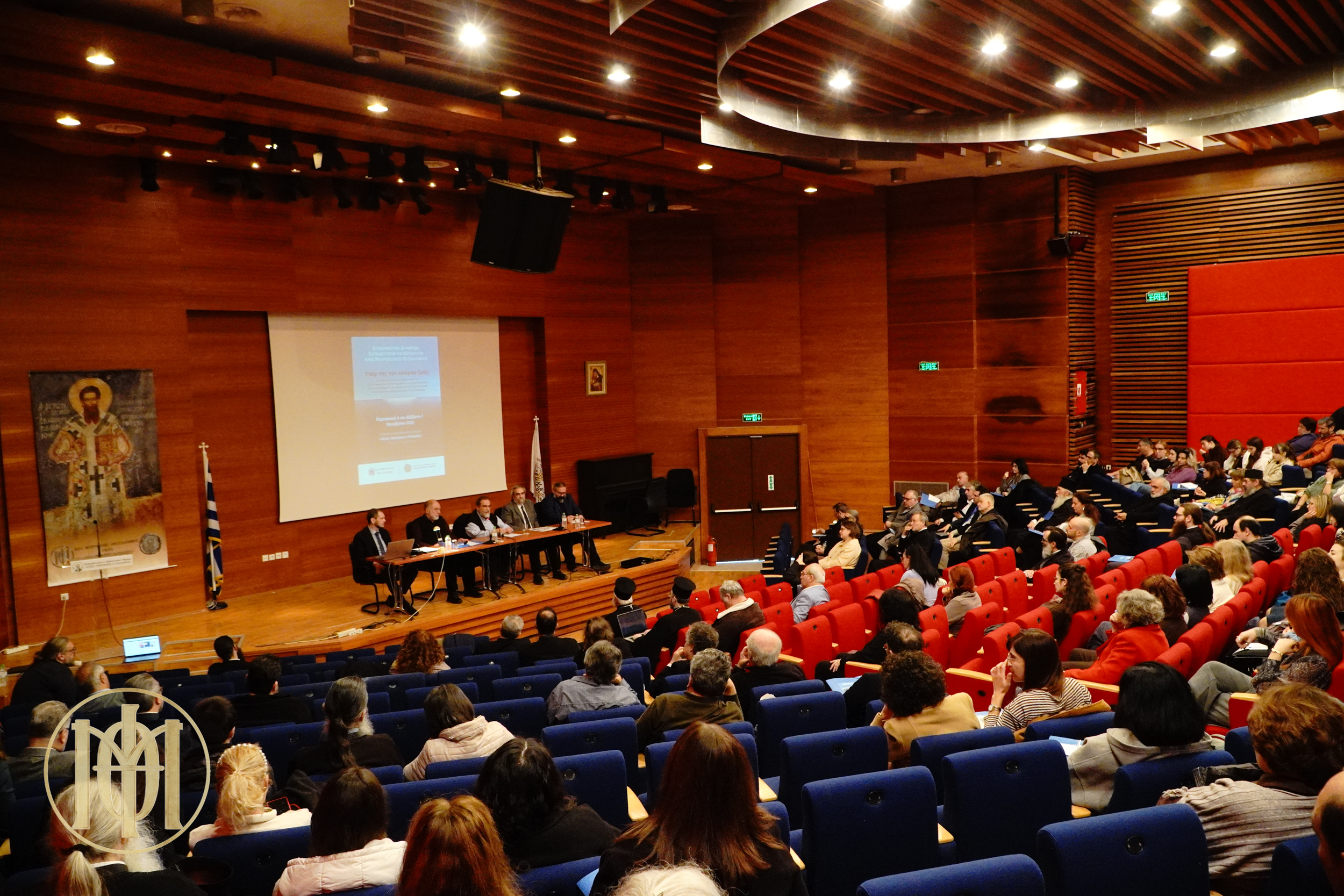
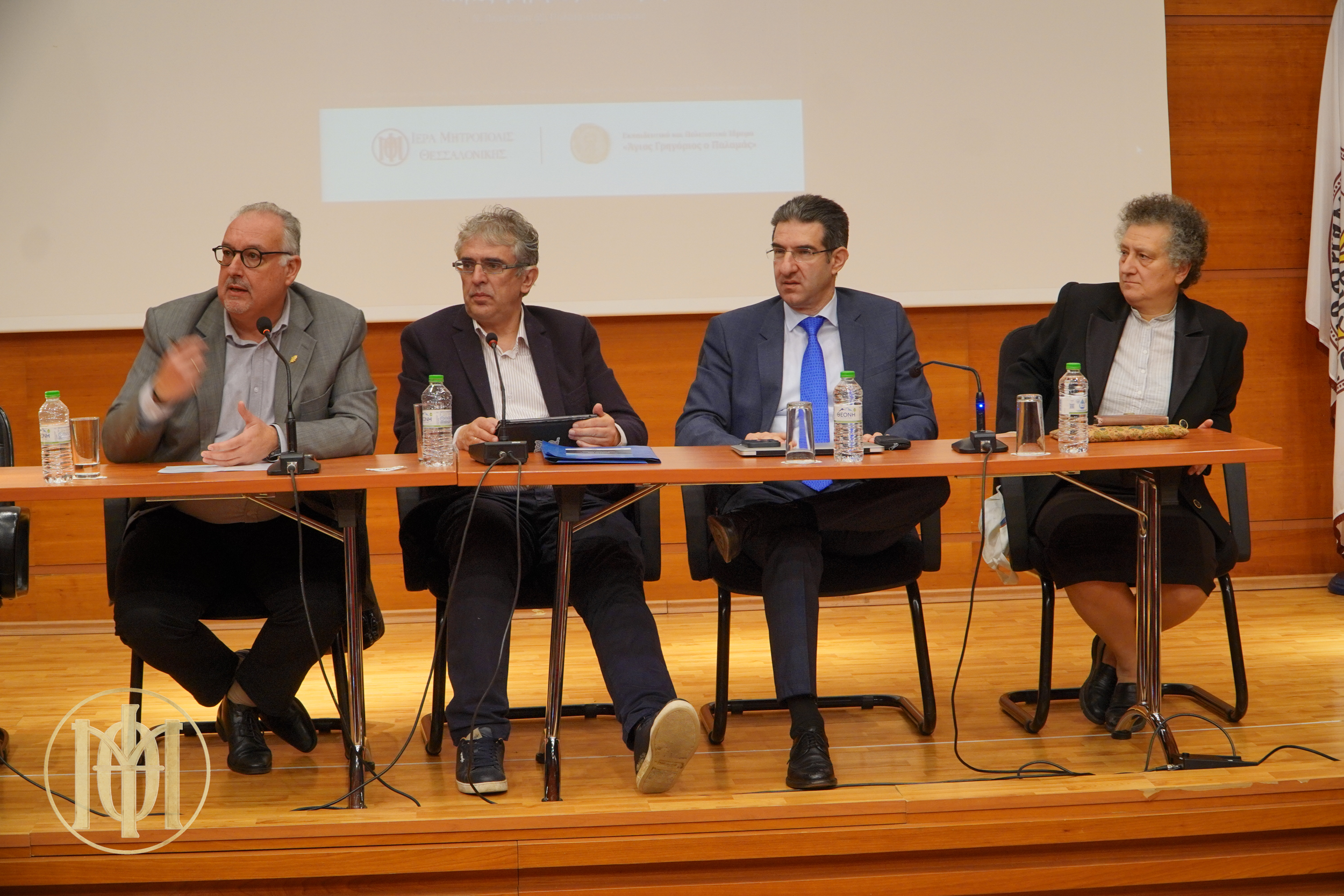
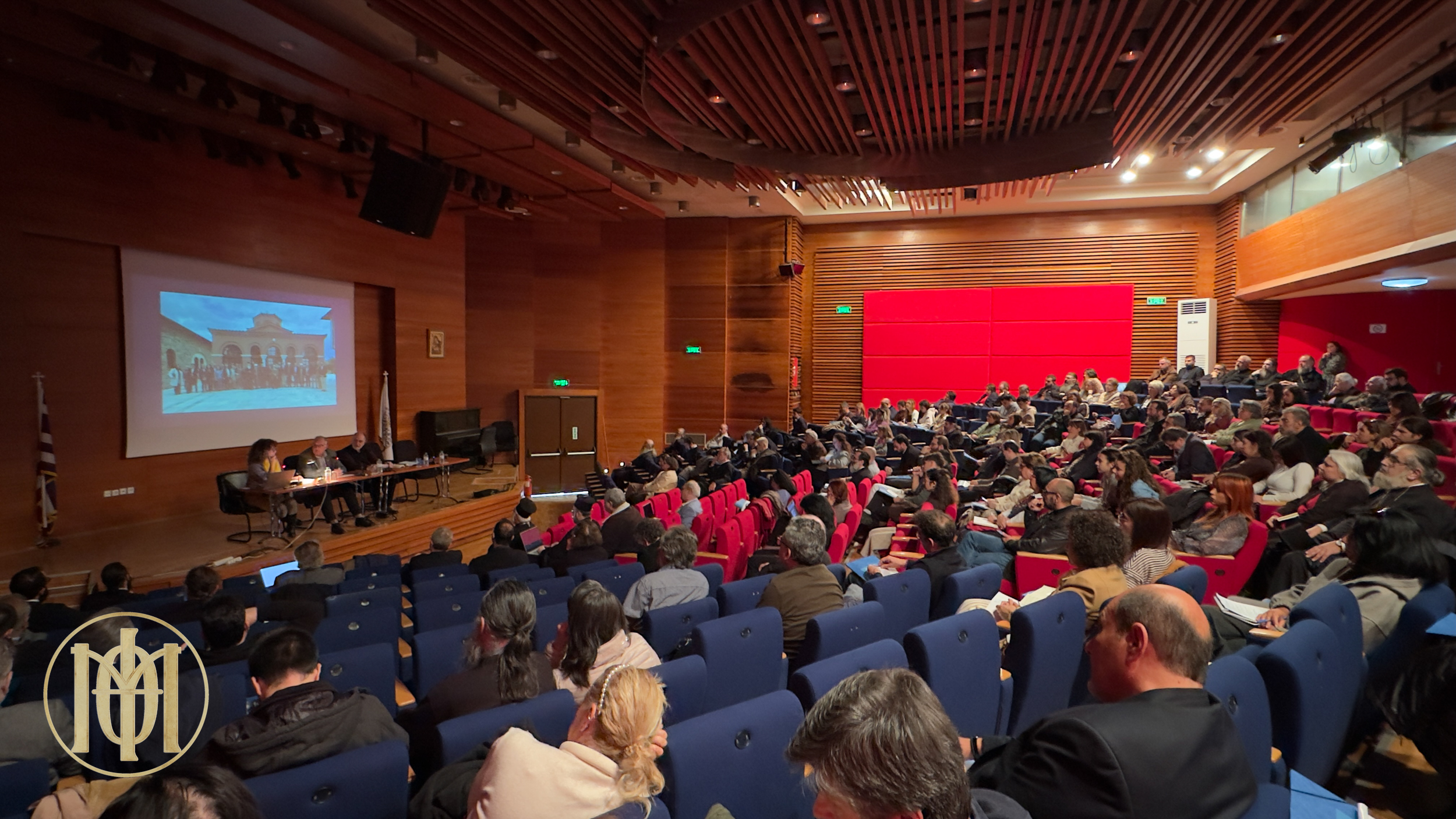
A two-day educational conference entitled “For the Life of the World,” focused on the social ethos of the Orthodox Church and its engagement with the pressing challenges of contemporary society, took place on November 6–7, 2026, at the St. Gregory Palamas Educational and Cultural Foundation of the Holy Metropolis of Thessaloniki.
The conference assembled more than 250 participants―including 40 priests, 110 parish catechists, 75 schoolteachers, and 25 theology students―who reflected a strong commitment to integrating Orthodox theological reflection with education, pastoral ministry, and social concern.
At the heart of the conference was the landmark document of the Ecumenical Patriarchate For the Life of the World: Toward a Social Ethos of the Orthodox Church. The aim of the gathering was to explore how the theological principles and pastoral vision articulated in this document can inform the Church’s educational, cultural, and catechetical ministries, while offering meaningful responses to the challenges facing humanity today.
Proceedings and Participants
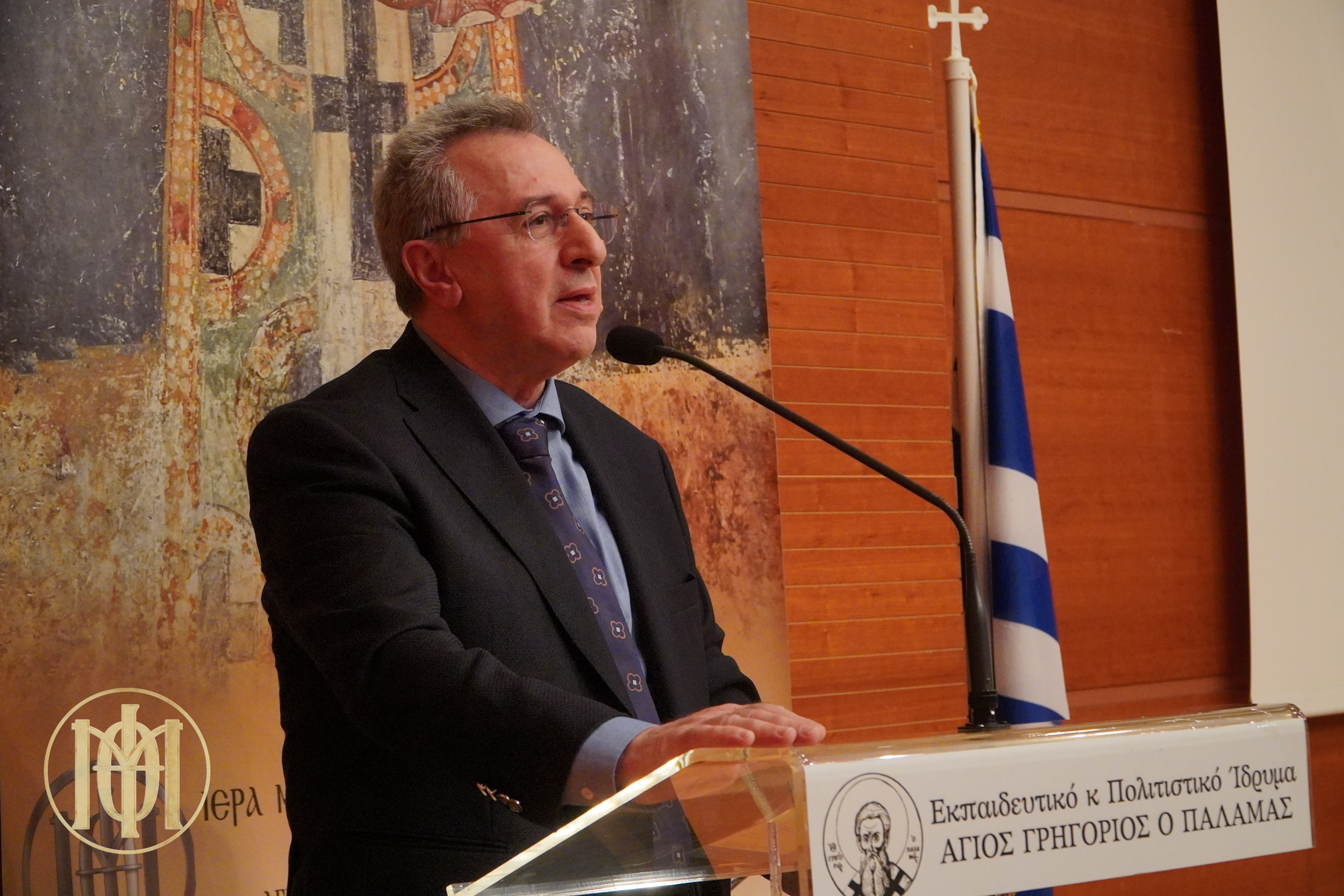
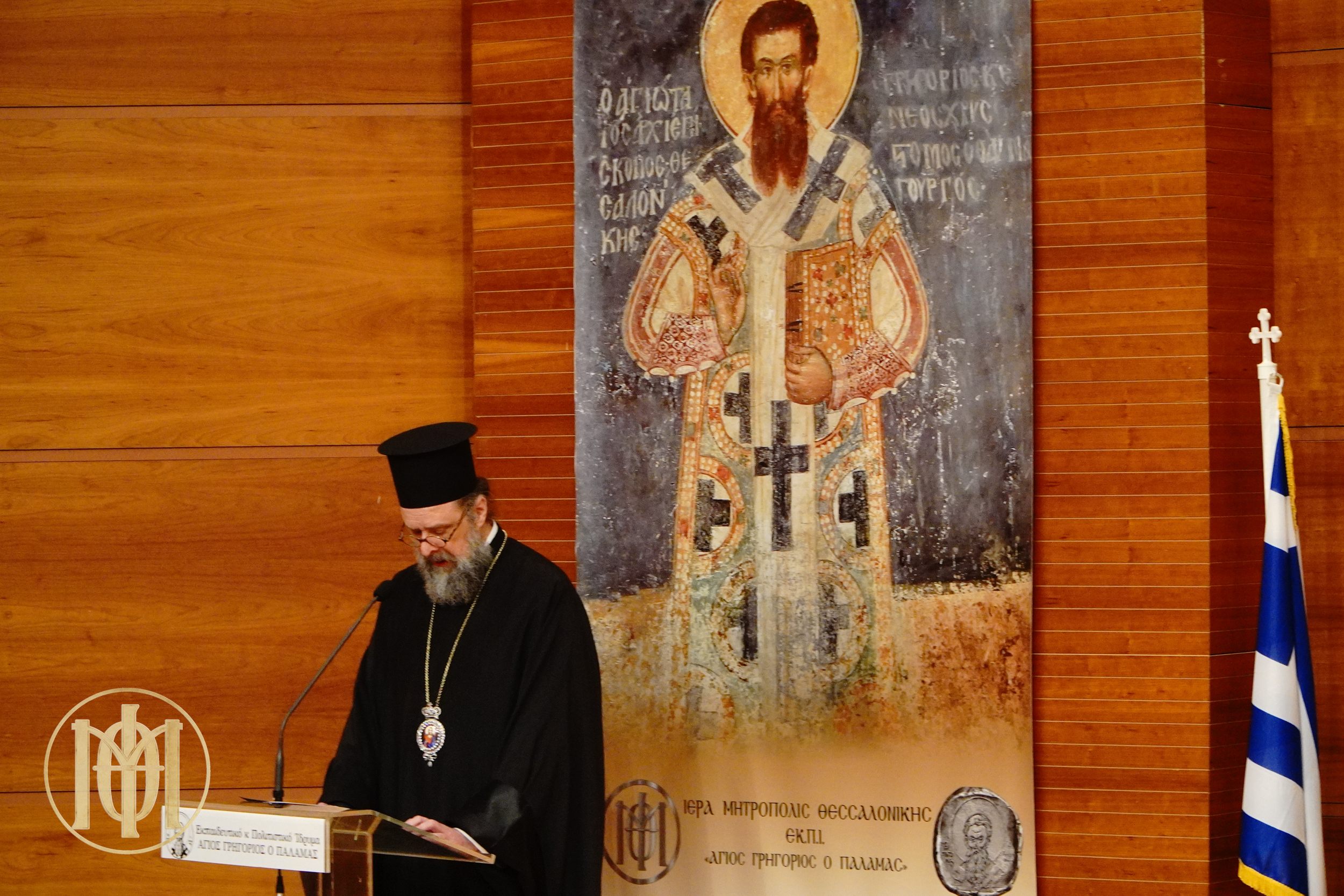
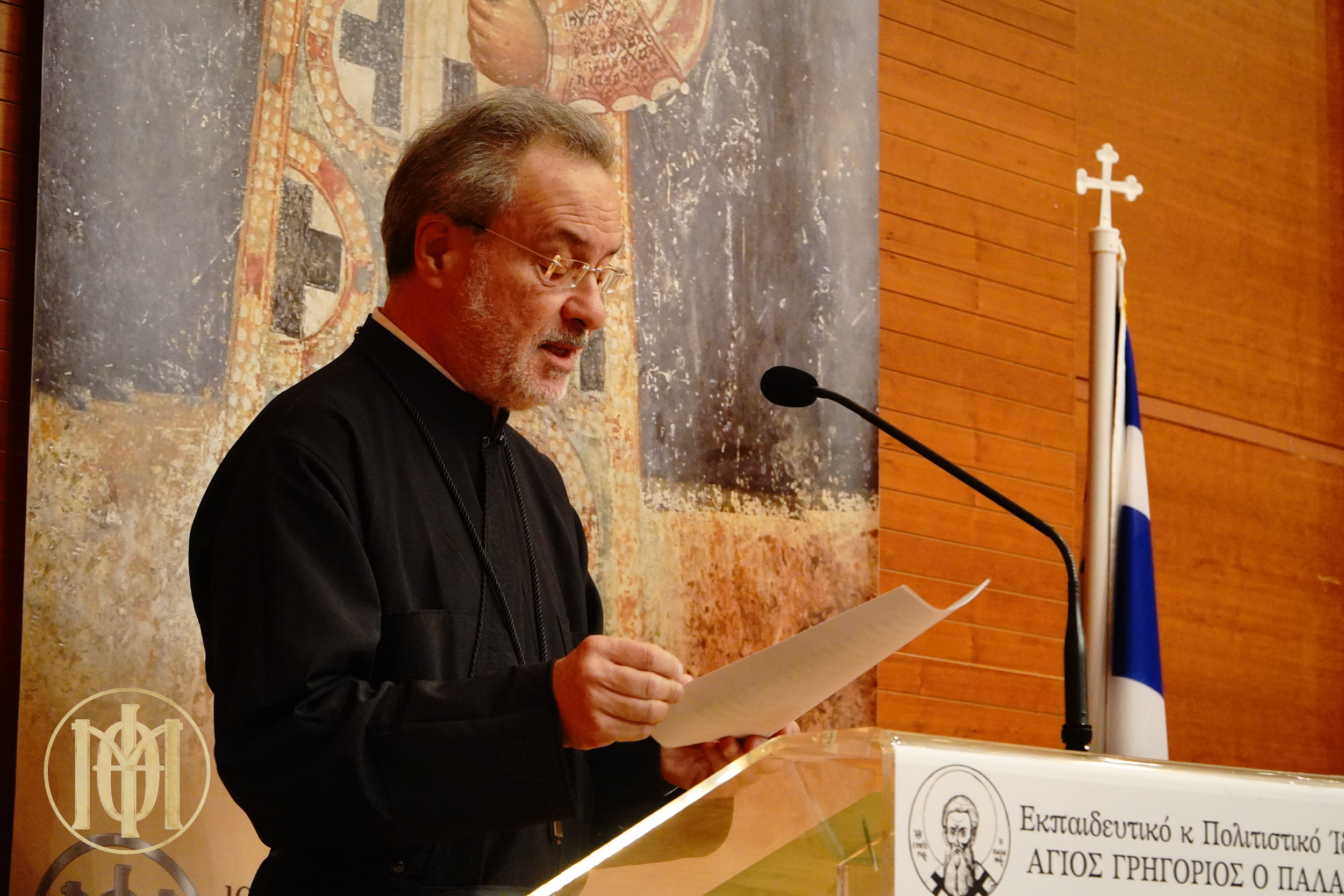
The conference opened with welcoming remarks by His All-Holiness Metropolitan Philotheos of Thessaloniki, followed by greetings from prominent representatives of theological and ecclesiastical circles in the Church of Greece.
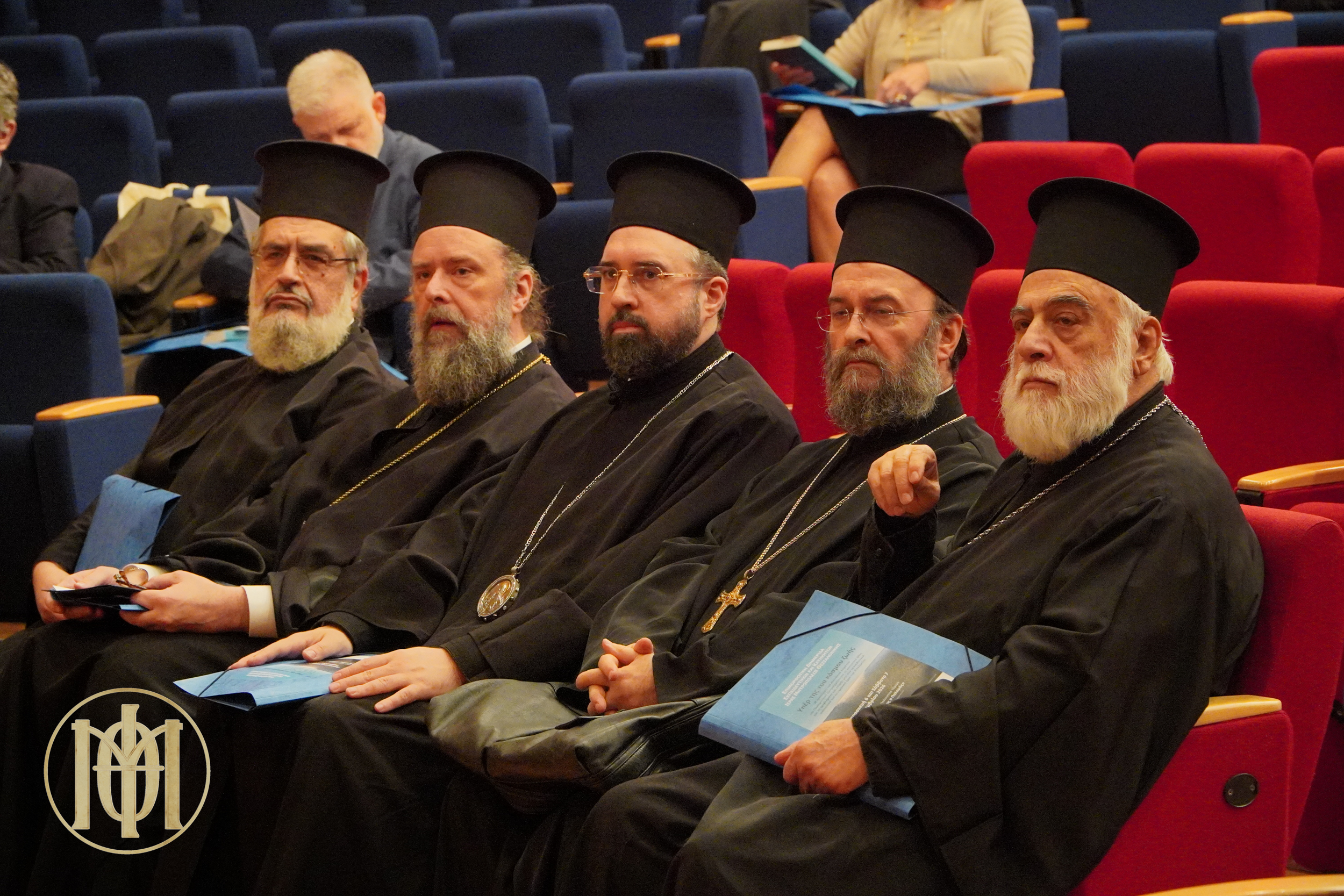
Greetings were delivered by the Very Rev. Fr. Athanasios Gikas, Dean of the Faculty of Theology at Aristotle University of Thessaloniki; Professor Elias Evangelou, Chair of the Department of Theology; Professor Emeritus Theodoros Giagkos of the Department of Social Theology and Christian Culture; and Rev. Dr. John Chryssavgis, Professor at Holy Cross Greek Orthodox School of Theology and Executive Director of the Huffington Ecumenical Institute. His Eminence Metropolitan Apostolos of Miletus, Abbot of the Patriarchal and Stavropegial Monastery of St. Anastasia was in attendance throughout the proceedings.
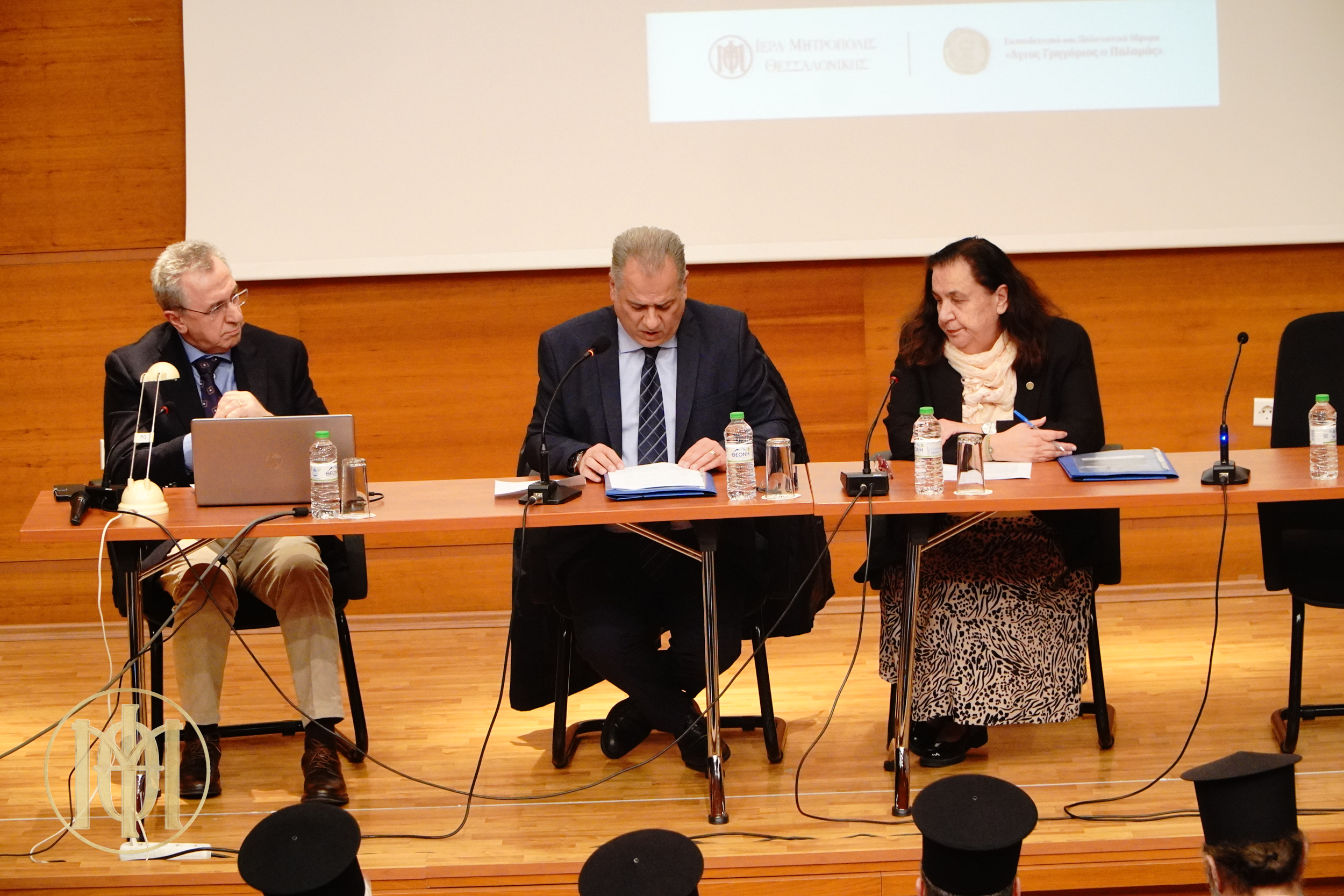
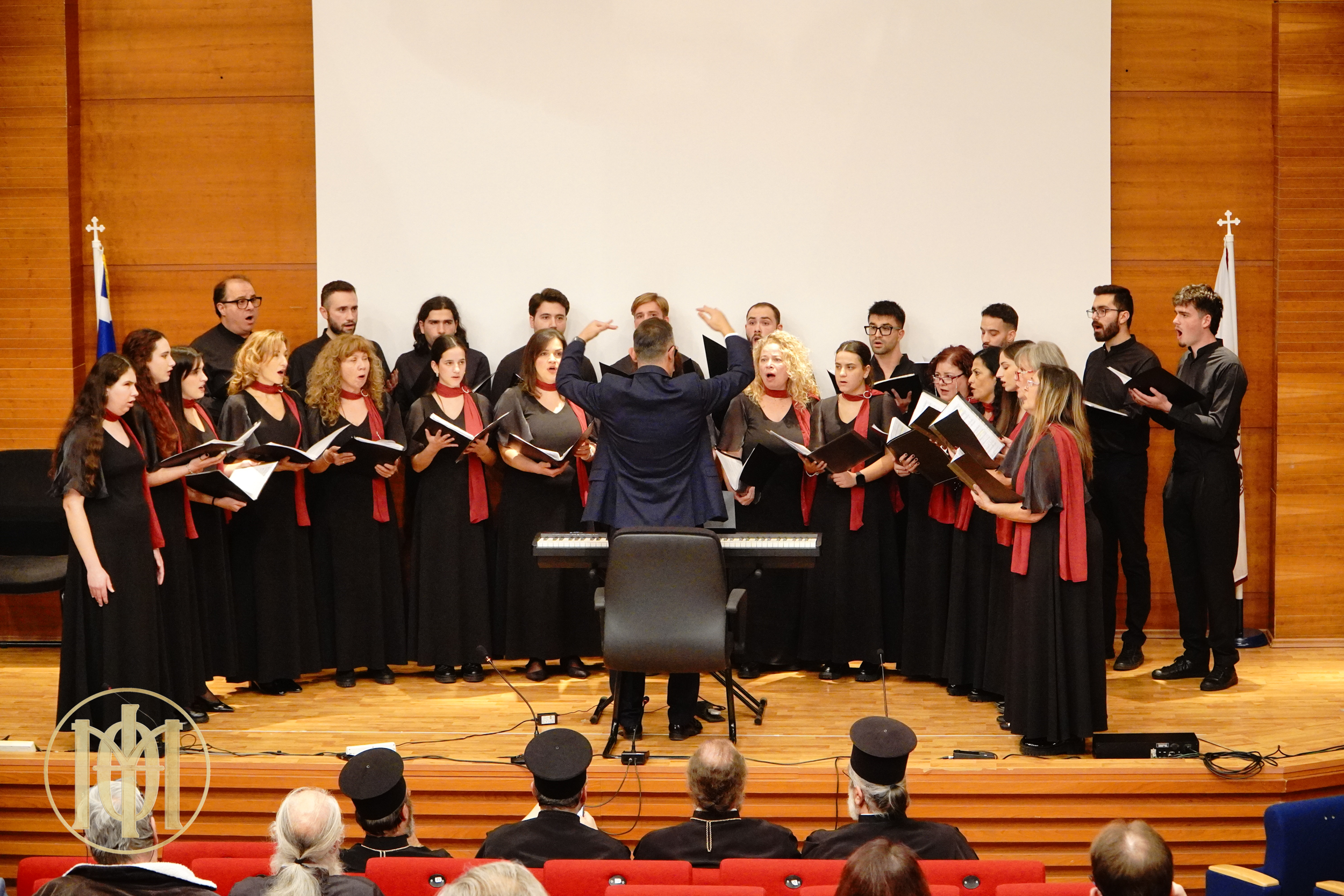
The opening session was moderated by Associate Professor Stavros Yangazoglou of the National and Kapodistrian University of Athens. On the opening evening, a special musical tribute was held in memory of the late Professor Chrysostomos Stamoulis. The program featured the “Voices” Mixed Choir of St. Barbara’s Church in Thessaloniki, conducted by Konstantinos Diminakis.
Exploring the Social Vision of Orthodox Christianity
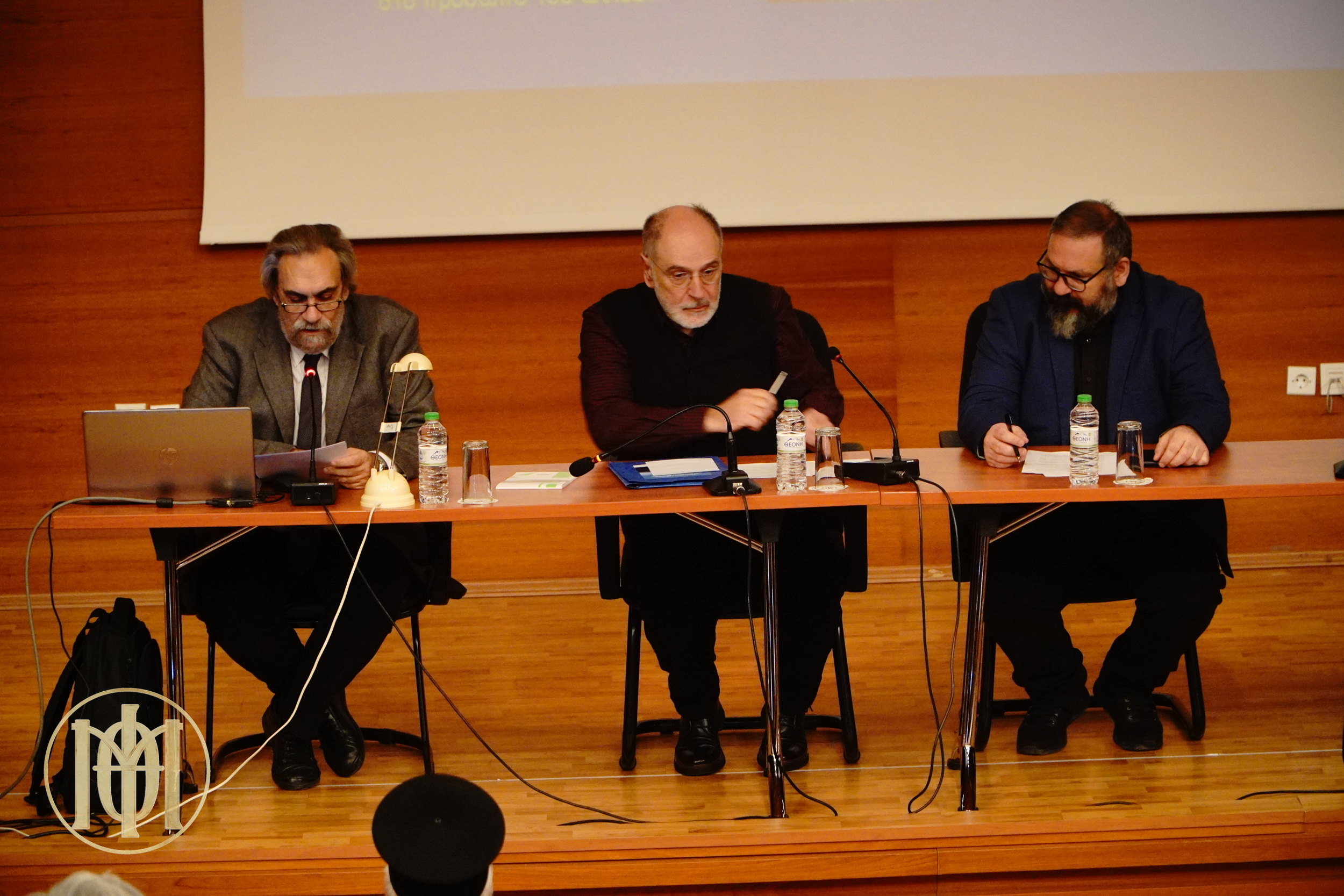
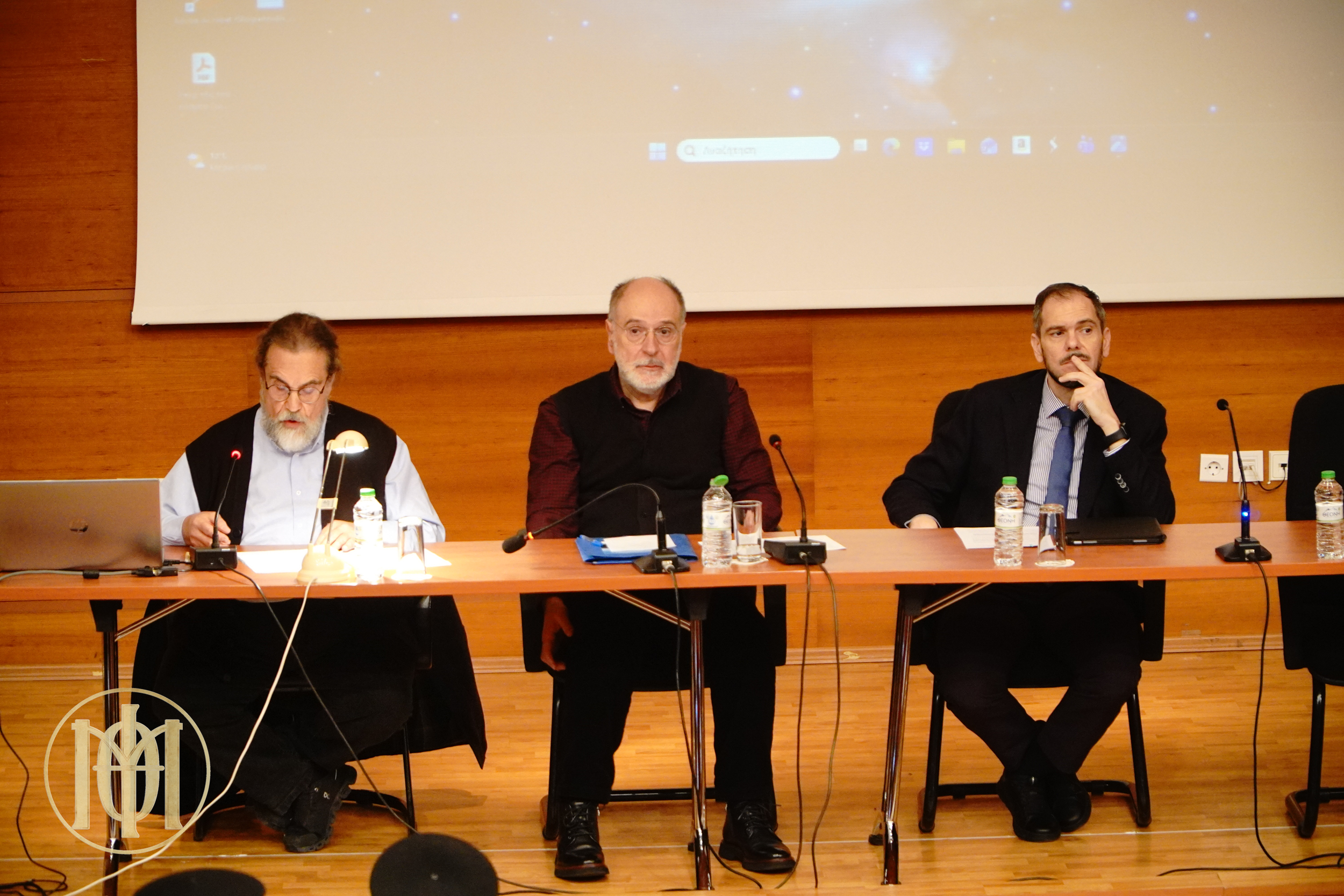
The conference program consisted of two complementary components: academic presentations by distinguished theologians from the universities of Thessaloniki and Athens, followed by interactive educational workshops designed for catechists and teachers.
The academic sessions examined the eight central themes of the Patriarchal document:
- The Social Character of Orthodox Christian Ethics, presented by Professors Christos Tsironis and Niki Papageorgiou.
- The Church in the Public Sphere, presented by Professors Evangelia Amoiridou and Dimitrios Moschos.
- The Course of Human Life, presented by Professor Konstantinos Kornarakis and Archimandrite Barnabas Yagkou.
- Poverty, Wealth, and Civil Justice, presented by Professor Panagiotis Yfantis and Assistant Professor Timoleon Galanis.
- War, Peace, and Violence, presented by Dr. Athanasios Papathanasiou and Associate Professor Athanasios Stogiannidis.
- Ecumenical Relations and Relations with Other Religions, presented by Professors Stelios Tsompanidis and Angeliki Ziaka.
- Orthodoxy and Human Rights, presented by Associate Professor Stavros Yangazoglou and His Grace Bishop Isidoros (Katsos) of Andidon.
- Science, Art, and the Natural Environment, presented by Associate Professor Petros Panagiotopoulos with Professors Miltiadis Vantsos and Katerina Tsalampouni.
Together, these presentations highlighted the conviction that Orthodox theology cannot remain detached from the realities of contemporary life. Instead, it is called to engage constructively and courageously with the moral, social, political, and ecological questions of the world.
From Theological Reflection to Practical Application
The second component of the conference consisted of nine interactive workshops facilitated by theologians, educators, and advisers.
These workshops translated the themes of the Patriarchal document into practical educational approaches, addressing social justice, Christian witness in public life, the search for meaning, reconciliation and nonviolence, ecumenical and interreligious dialogue, human rights, technology, and environmental responsibility.
Workshop topics included “From the Public Square of the World to the Heavenly Banquet,” “From the Individual to the Communal: An Orthodox Perspective on Human Rights,” “The Art of Reconciliation in a World of Conflict and Violence,” and “Our Gift, Our Responsibility: From the Climate Crisis to an Ethos of Shared Responsibility.”
Drawing on biblical and patristic sources, Orthodox iconography, literature, and works of art, the workshops encouraged collaborative learning and provided practical resources for parish catechesis and secondary education.
Particular emphasis was placed on developing educational methods that connect the Church’s theological tradition with the experience of children, adolescents, and the wider community.
A Theology of Responsibility, Justice, and Human Dignity
Throughout the conference, speakers emphasized that For the Life of the Worldrepresents a significant contribution to the contemporary witness of Orthodox Christianity. The document affirms that the Church’s social responsibility is rooted in the creation of every human being in the image and likeness of God, the communion of love revealed in the Holy Trinity, and the Eucharistic and ascetical life of the Church. From this theological foundation emerges a commitment to human dignity, justice, freedom, solidarity, and the transformation of society.
Participants underscored that the Church’s mission cannot be restricted to conventional forms of philanthropic support. While charity remains indispensable, Orthodox social teaching also calls for confronting the structures and causes of injustice, poverty, exclusion, and exploitation. A particularly important distinction was drawn between charity and justice. The Church must not hesitate to speak prophetically, even when its message challenges those who exercise political or economic power. The conference further explored the Church’s responsibility toward the most vulnerable members of society, drawing on Christ’s identification with the hungry, the suffering, and the marginalized: “For I was hungry and you gave me food” (Matthew 25:35).
Speakers stressed that the Divine Liturgy does not end at the doors of the church. The Eucharistic celebration must find its continuation in the daily struggle for justice, compassion, and the sanctification of the world. The Christ worshipped inside the dome of the church is the same Christ encountered outstanding in the suffering neighbor, the stranger, and the person in need.
Human Rights and the Dignity of the Human Person
A central focus of the conference was the relationship between Orthodox theology and human rights. Presentations emphasized that the Orthodox Church supports the protection and promotion of fundamental and inalienable human rights throughout the world, as affirmed by the Holy and Great Council of the Orthodox Church and articulated by Ecumenical Patriarch Bartholomew in his 2017 address in Germany.
The theological understanding of the human person, grounded in freedom, communion, and relational existence, is a vital Orthodox contribution to contemporary discussions of human dignity and social responsibility. As the distinguished theologian Fr. Georges Florovsky observed, “The concept of the person may well have been the greatest contribution of Christianity to philosophy.”
The conference further explored sensitive pastoral and anthropological questions, such as family life, the protection of children, sexuality, abortion, suicide, and end-of-life care. Finally, participants emphasized the need for a renewed pastoral approach characterized by theological integrity, compassion, discernment, realism, and attentiveness to the complexities of contemporary human experience.
Dialogue, Peace, and the Protection of Creation
Another major theme was the importance of ecumenical and interreligious dialogue. The Patriarchal document was perceived and presented as an invitation to meaningful cooperation among Christians and people of different religious traditions, albeit without compromising their distinctive identities. Such cooperation is especially important in addressing shared concerns, including peacebuilding, social justice, environmental protection, and the defense of human dignity.
The conference also affirmed that scientific knowledge and technological progress should not be regarded as threats to religious faith. Rather, they should be understood as expressions of humanity’s search for truth and as occasions for improving human life.
At the same time, speakers acknowledged the ethical challenges associated with the misuse of technology as well as the need for the Church to remain informed and engaged in these developments. In this regard, particular attention was devoted to the ecological responsibility of Orthodox Christians. Care for God’s creation was interpreted not simply as an environmental obligation but as an essential expression of Christian faith, inseparably connected with Eucharistic spirituality, social justice, and the sanctification of the world. The conference emphasized that Christian education and catechesis must cultivate an ethos of gratitude, restraint, shared responsibility, and active care for the natural environment, recognizing that the whole creation participates in the hope of salvation.
Bringing the Church’s Social Teaching into Contemporary Life
A recurring theme throughout the proceedings was the need for the Orthodox Church to engage the contemporary world with confidence, openness, and sensitivity. Speakers emphasized that the Church must neither withdraw into isolation nor simply accommodate itself to prevailing social attitudes. Instead, it is called to bear creative and prophetic witness to the Gospel within the current circumstances of society. In this regard, the social ethos of Orthodoxy was presented as an extension of the Church’s Eucharistic ethos: a way of life that transforms worship into service, faith into responsibility, and theological reflection into practical action.
Participants called for the Patriarchal document to be studied and discussed more extensively throughout the Orthodox world, including theological schools, seminaries, parishes, youth ministries, and religious education programs. Special emphasis was placed on its potential contribution to religious education in Greece, where the teaching of religion has traditionally provided an important setting for dialogue between Orthodox theology and contemporary society.
The conference affirmed that the document should not remain merely an academic or ecclesiastical statement but should become a living resource for the Church’s pastoral, educational, and social mission.
Conclusion and Future Perspectives
The two-day conference concluded on Saturday afternoon, November 7, with a plenary discussion, in which participants reflected on the presentations and workshops, while considering ways to apply their insights in parish and educational settings.
The Organizing Committee consisted of Associate Professor Stavros Yangazoglou; Rev. Dr. John Chryssavgis; Dr. Nikos Tsirevelos of Aristotle University of Thessaloniki; Dr. Maria Syrgianni, Educational Adviser in Religious Education; Archimandrite Barnabas Yagkou, Director of Youth Ministry of the Metropolis of Thessaloniki; and Fr. Cheroubim Tsinoglou, Director of the St. Gregory Palamas Educational and Cultural Foundation.
In his closing remarks, His All-Holiness Metropolitan Philotheos of Thessaloniki expressed his gratitude to the organizers, presenters, workshop facilitators, and over 250 participants for their contributions to the success of the gathering. He expressed his hope that the document For the Life of the World, as the fruit of a synodal process within the Ecumenical Patriarchate, would receive a creative and meaningful response throughout the Church. In particular, he encouraged its wider integration into parish catechesis, pastoral ministry, theological education, as well as the public witness of the Orthodox Church.
The conference concluded with a renewed affirmation that the Orthodox Church is called to address the challenges of the contemporary world with neither fear nor withdrawal, but with theological depth, spiritual discernment, compassionate engagement, and a steadfast commitment to the life and well-being of all creation.