Edited by Rev. Dr. John Chryssavgis
Akritas Publications, Athens, 2026
New Book Launched in Thessaloniki on November 9, 2026
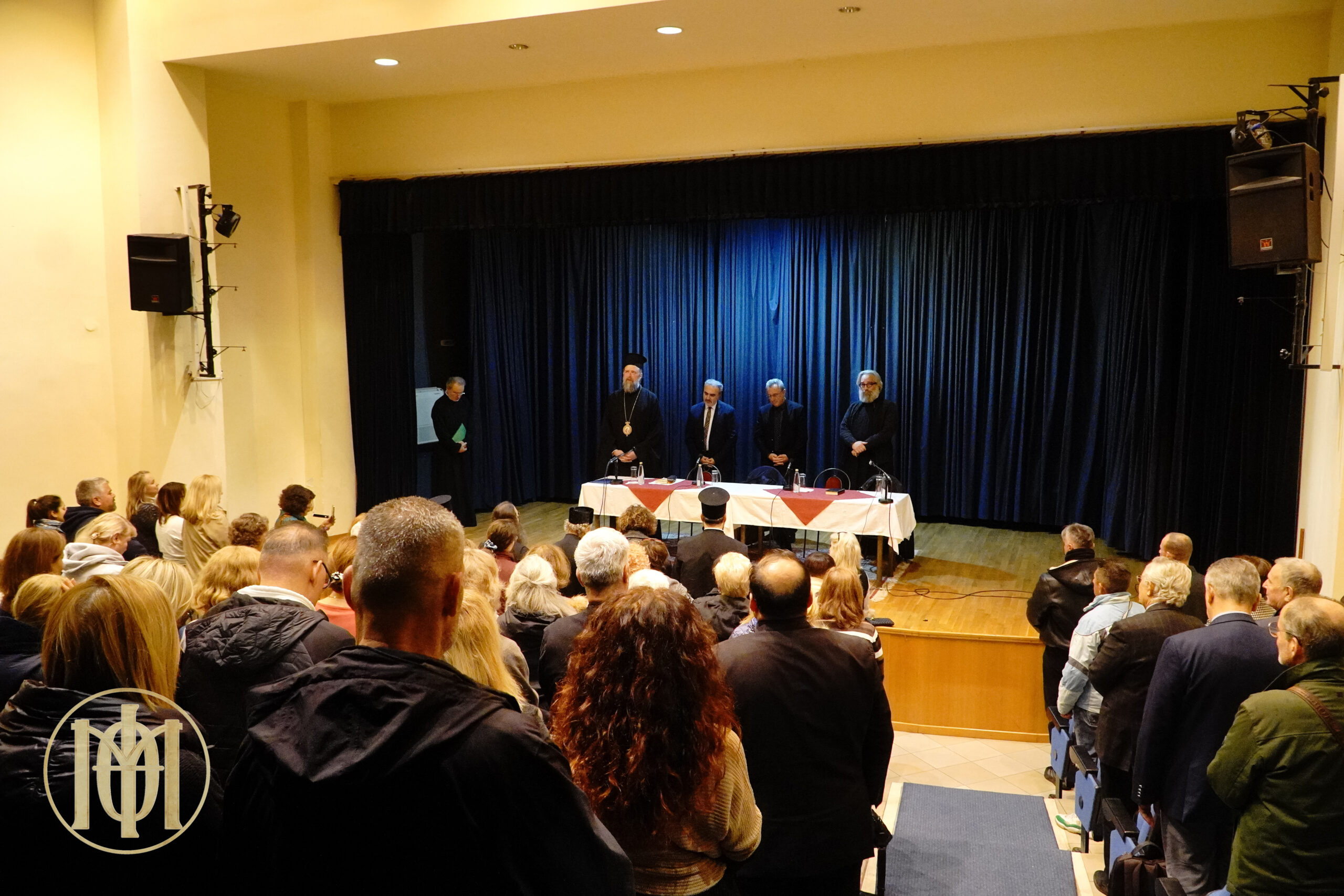
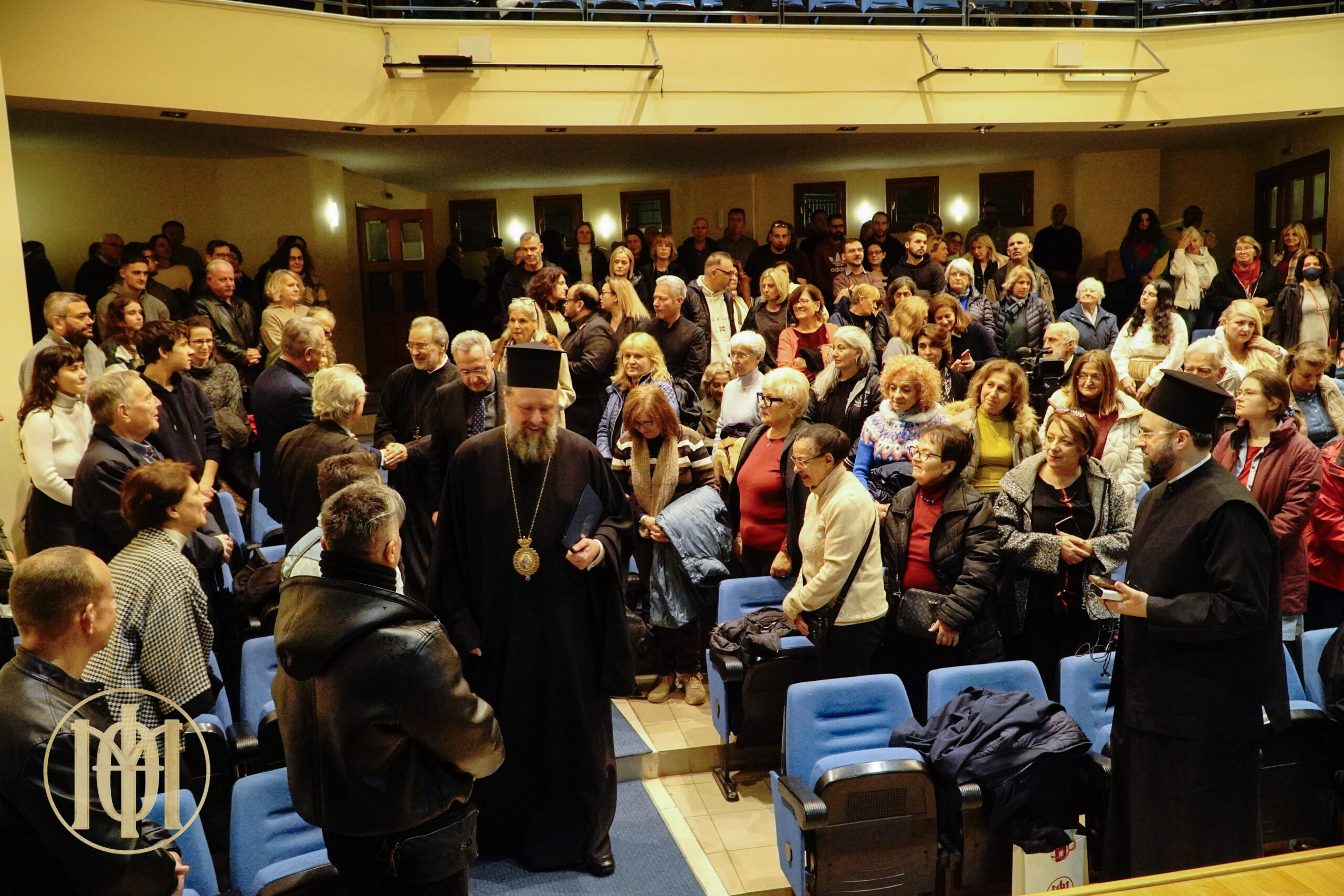
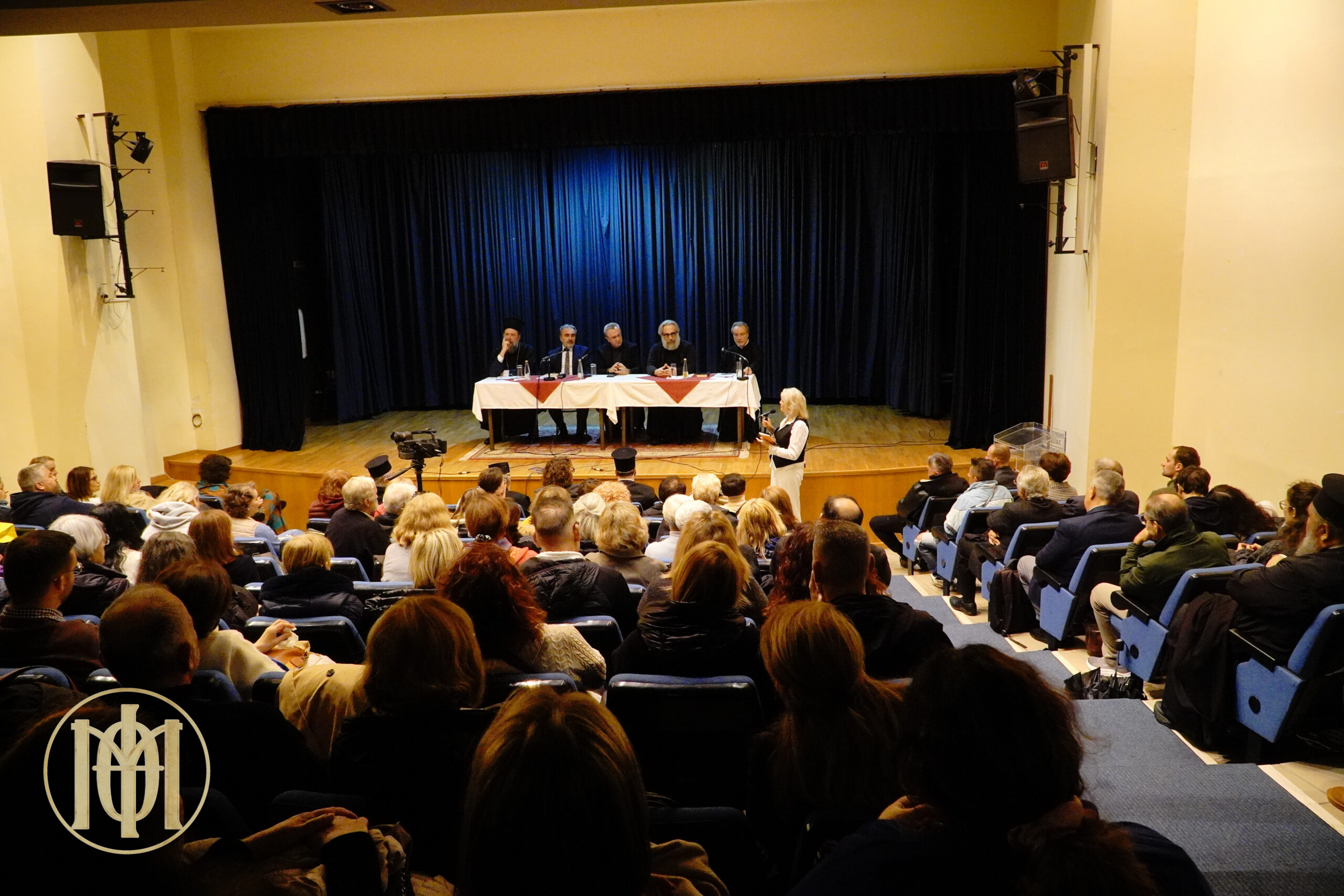
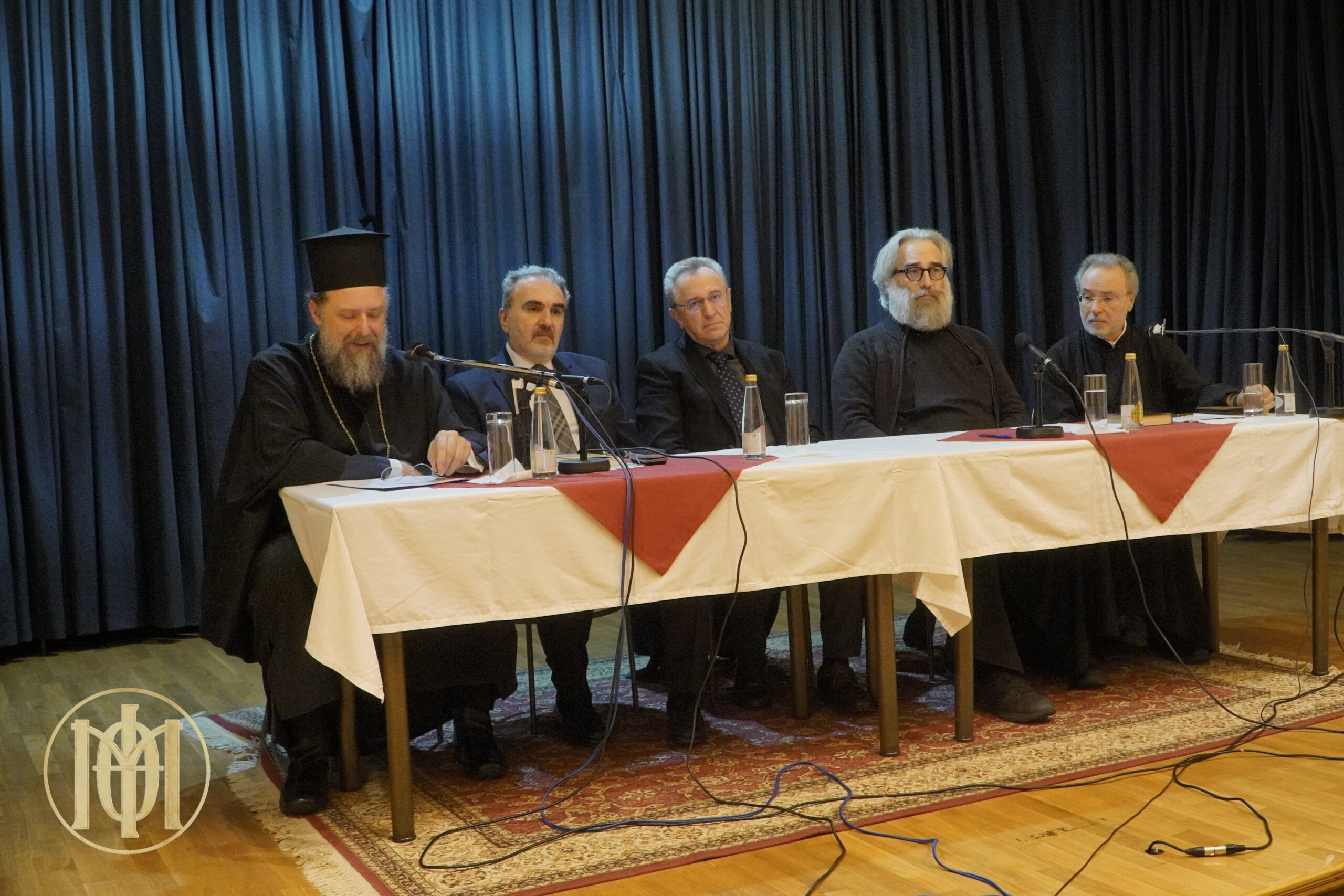
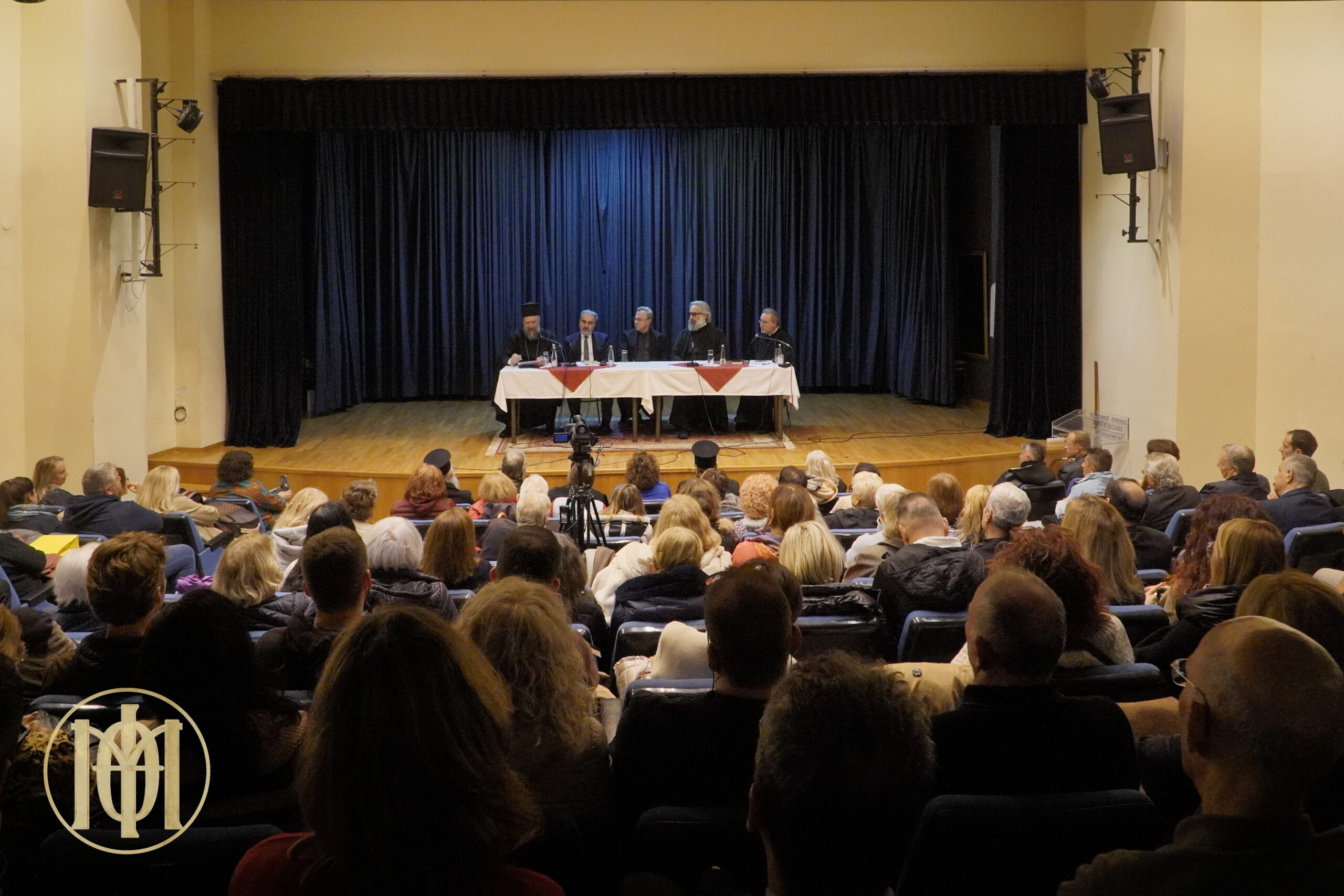
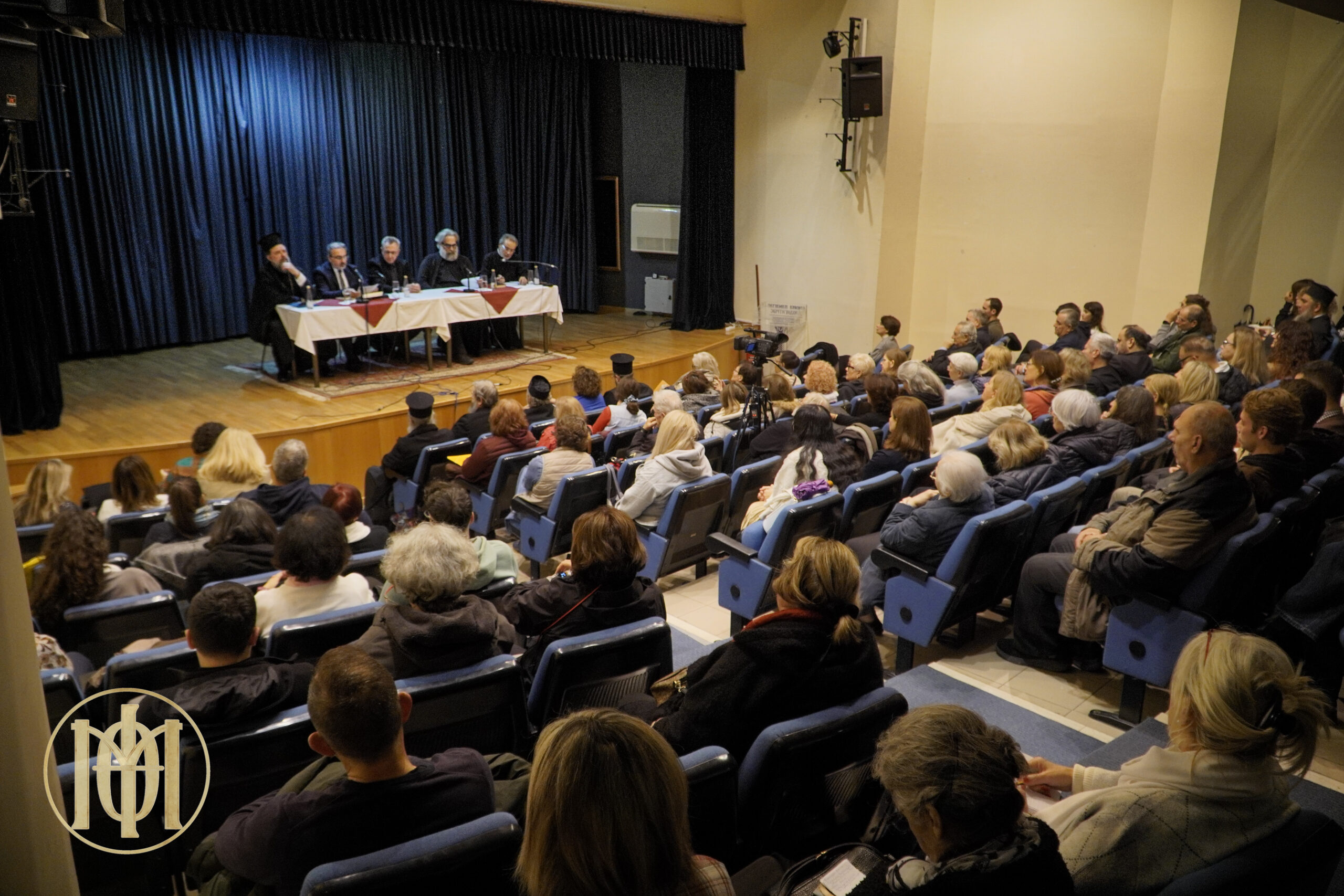
On Monday, November 9, 2026, the new publication, titled Bartholomew: 35 Years of Patriarchal Ministry — The Human Face of an Ancient Institution was formally launched before a capacity audience at the Spiritual Center of the Church of Panagia Laodigitria in Thessaloniki, Greece. The event was jointly organized by the Holy Metropolis of Thessaloniki, the Huffington Ecumenical Institute at HCHC, and Akritas Publications.
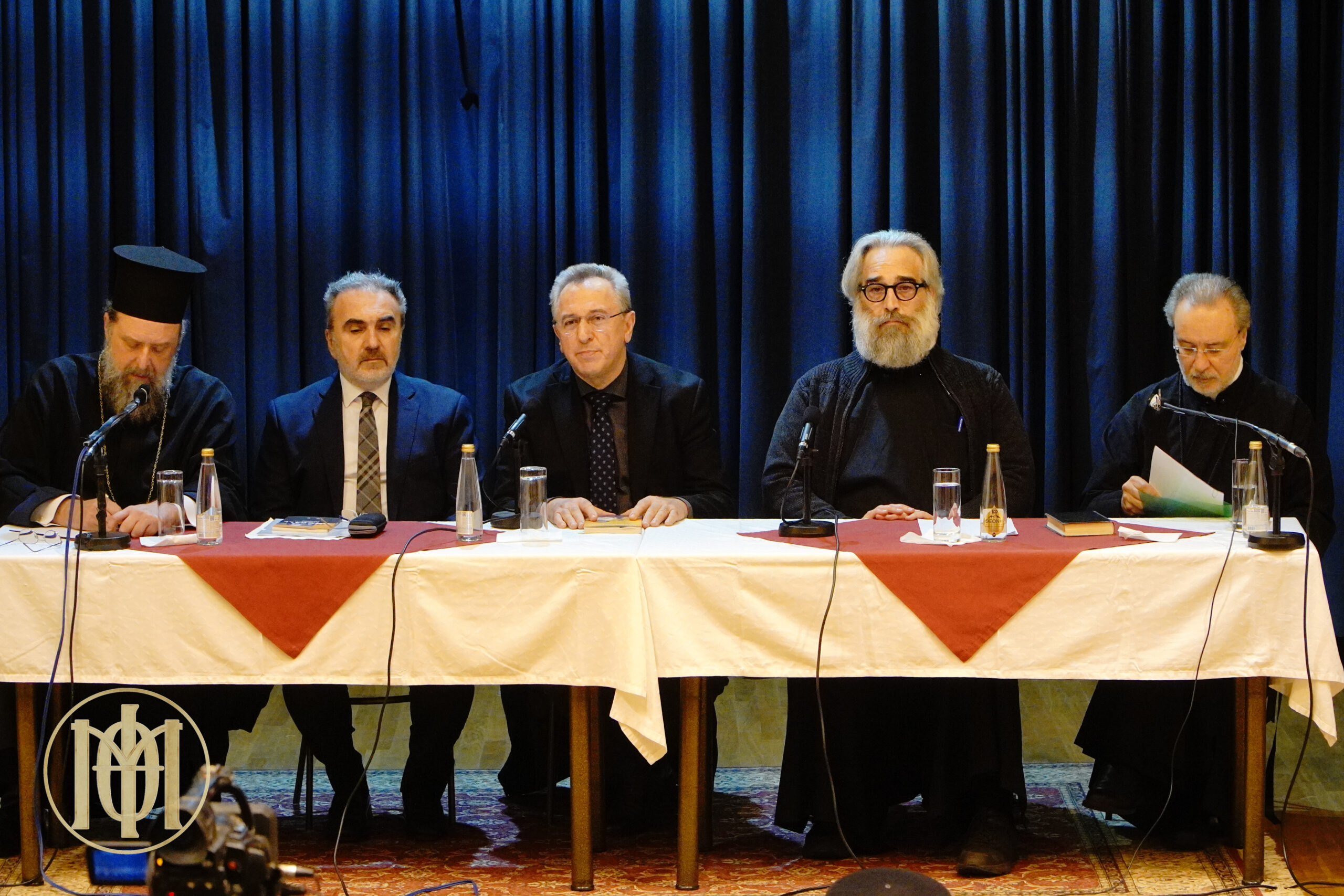
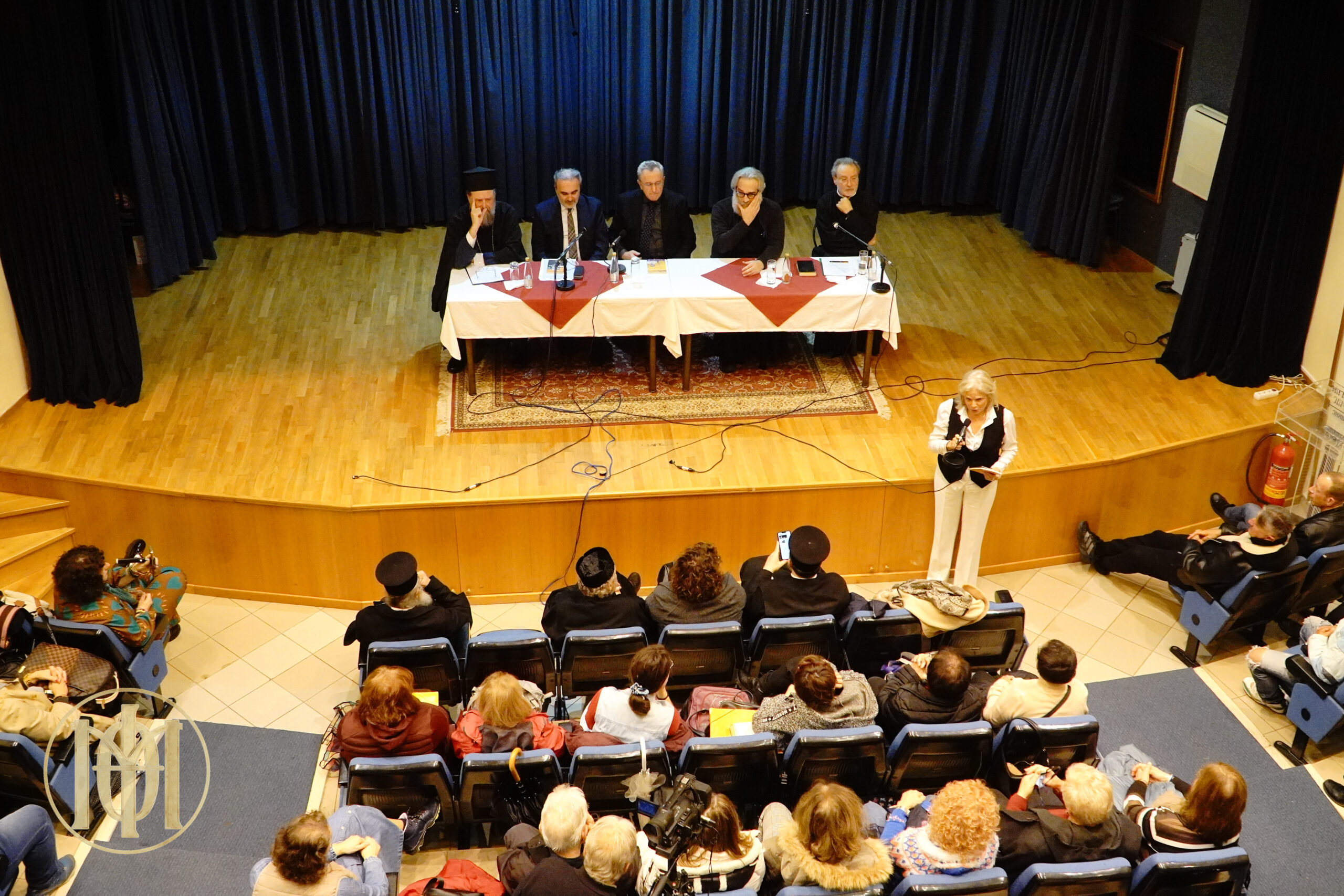
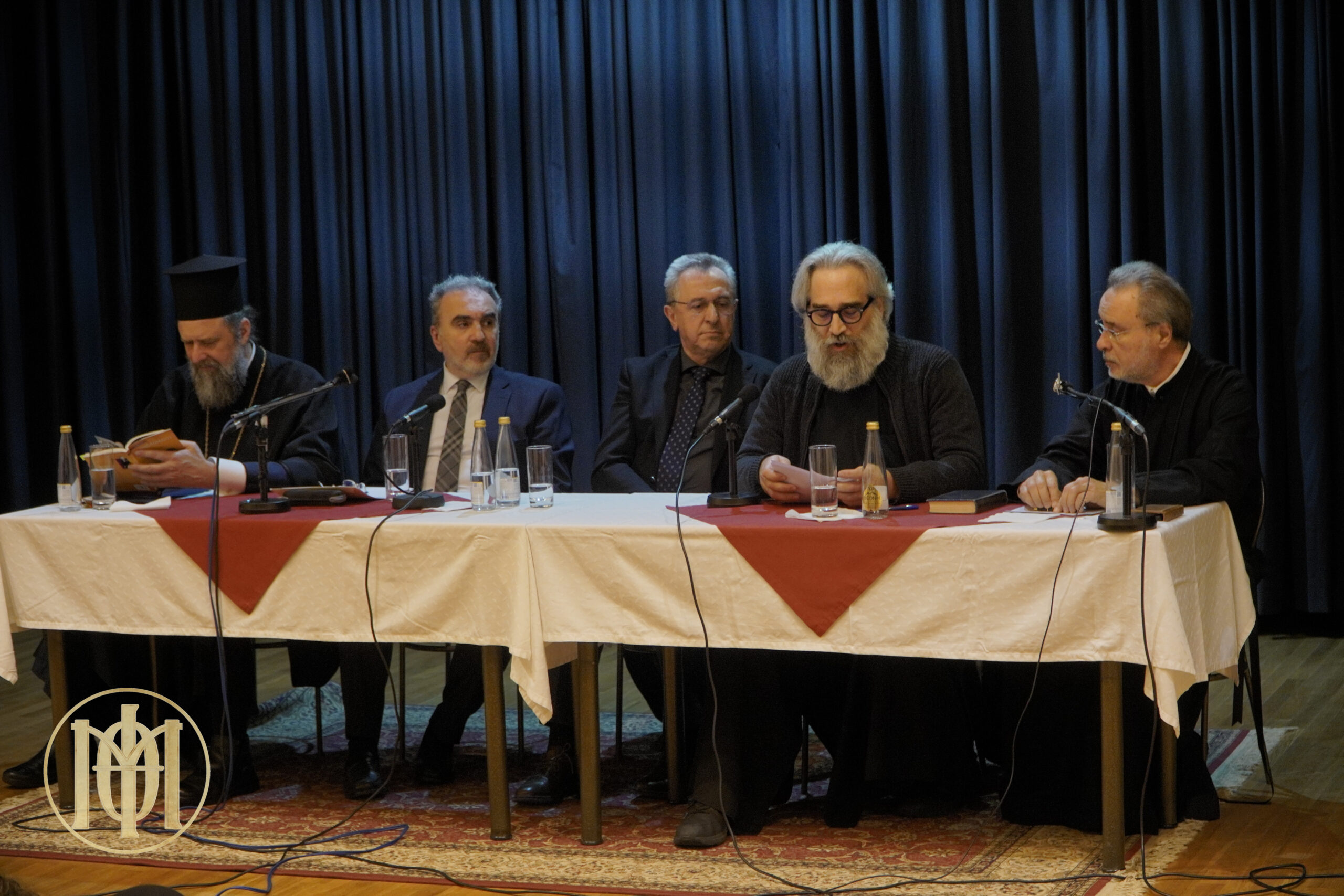
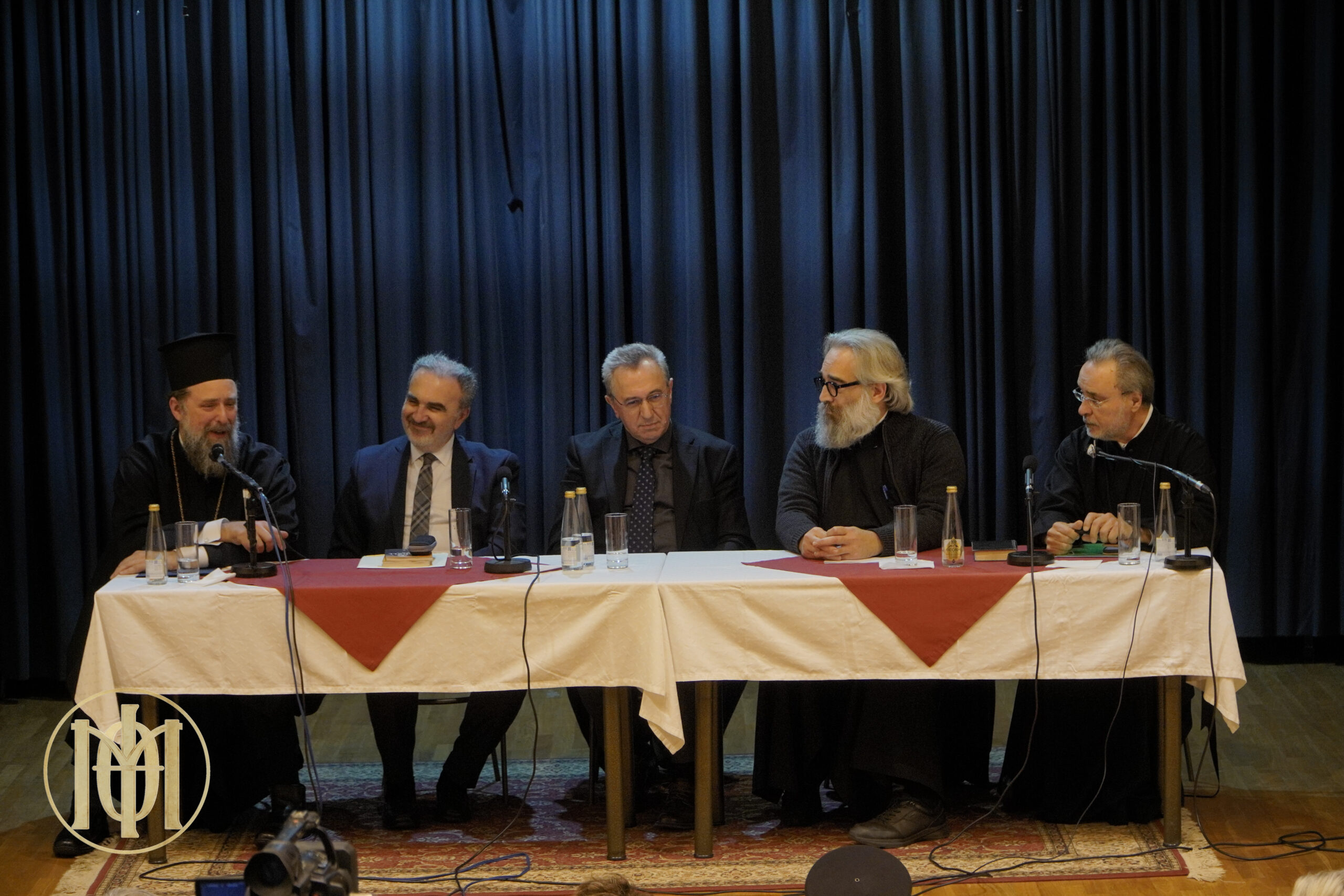
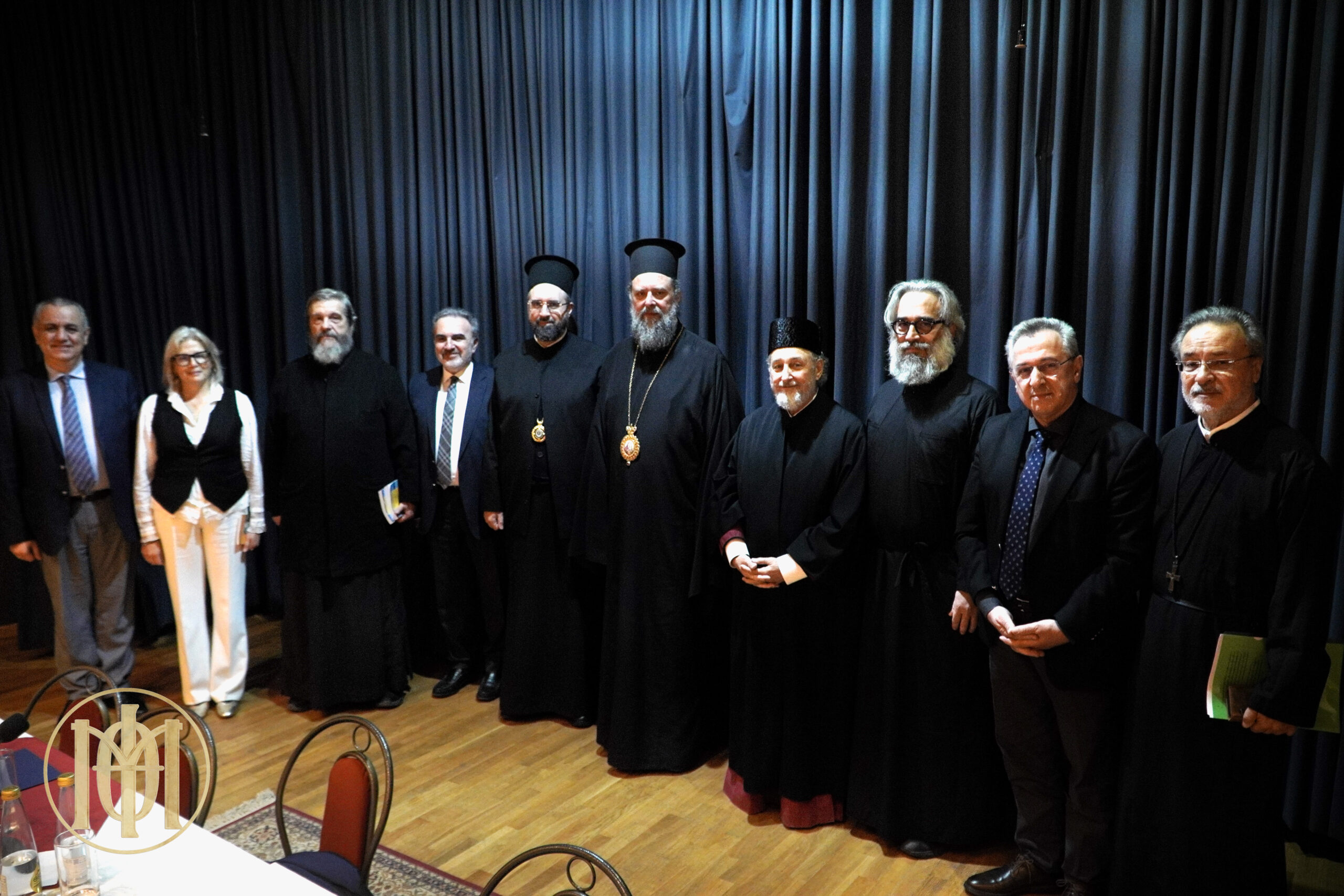
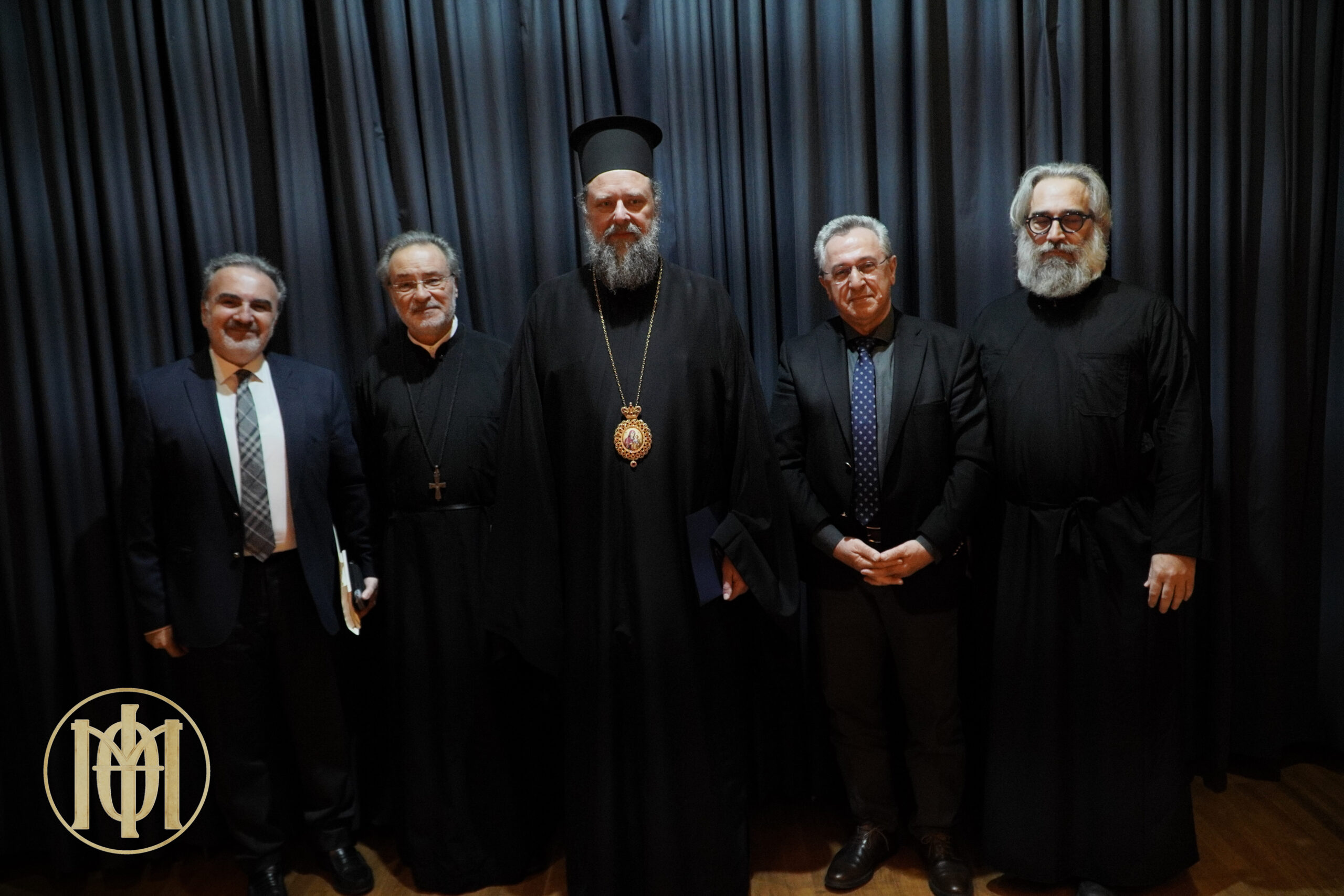
The book was presented by His Holiness Metropolitan Philotheos of Thessaloniki; Professor Symeon Paschalidis of the Faculty of Theology at Aristotle University of Thessaloniki, Director of the Patriarchal Institute for Patristic Studies; Rev. Dr. Chrysostomos Nassis, Associate Professor at the Faculty of Theology of Aristotle University; and Rev. Dr. John Chryssavgis, Professor at Holy Cross Greek Orthodox School of Theology in Boston and Executive Director of the Huffington Ecumenical Institute.
The presentation was moderated by Dr. Stavros Yangazoglou, Associate Professor at the Faculty of Theology of the National and Kapodistrian University of Athens. Brief welcoming remarks were also offered by Maria Kokkinou, Director of Akritas Publications in Athens and co-publisher of the volume with the Huffington Ecumenical Institute.
The Ecumenical Patriarchate: A Ministry of Unity and Communion
The evening opened with an address by Metropolitan Philotheos of Thessaloniki, who reflected on the ministry of the Ecumenical Patriarch as first hierarch of the Orthodox Church, understood within the framework of communion and synodality among the autocephalous Orthodox Churches. The Metropolitan emphasized that the communion of persons within the Holy Trinity finds its expression in Orthodox ecclesiology through the responsibility to preserve unity and fellowship among the various local Churches. This communion ultimately reflects the gathering of the many into the one Body of Christ, which is the Church.
The Metropolitan further explained that the institution of synodality, as an expression of communion among the local Churches, reveals the ministry of the first hierarch not as a form of subordination or domination, but as a relationship of mutual responsibility, coordination, and interdependence with other bishops and their respective Churches. He subsequently recalled the inseparable historical bonds between Thessaloniki and Constantinople, while highlighting the contemporary witness and ministry of Ecumenical Patriarch Bartholomew, particularly his leadership in convening the Holy and Great Council of the Orthodox Church in Crete in 2016.
A Patriarchal Legacy of Scholarship, Formation, and Vision
Professor Symeon Paschalidis highlighted the Ecumenical Patriarch’s longstanding and practical commitment to the development of the Patriarchal Institute for Patristic Studies, housed at the Holy Monastery of Vlatadon in Thessaloniki. He also recalled Patriarch Bartholomew’s particular references to Thessaloniki, beginning with his enthronement address, as well as the publication of his doctoral dissertation in the prestigious “Analekta Vlatadon” series.
Professor Paschalidis then offered a detailed presentation of the individual contributions and personal testimonies contained in this concise and collective new publication by Fr. John, which illuminate the human face of Ecumenical Patriarch Bartholomew. He further emphasized the Patriarch’s formative influence on an entire generation of young clergy who received their training and spiritual formation at the Phanar, while also recalling his visionary and determined efforts toward the reopening of the historic Theological School of Halki.
The Church Bell and the School Bell: Faith and Education in Harmony
Rev. Dr. Chrysostomos Nassis, a graduate of Holy Cross School of Theology in Boston, offered a particularly evocative reflection on how a young boy from the island of Imbros came to unite harmoniously in his life the liturgical experience of the Church with a profound thirst for learning and education, bringing together priestly ministry and academic scholarship. He described the ministry of the Patriarch as a harmonious symphony of two distinct sounds, calling the human person both to the pursuit of knowledge and to discipleship in Christ.
The shared courtyard of church and school, he observed, embodies a centuries-old tradition associated with St. Kosmas Aitolos, who taught: “The school opens the churches; the school opens the monasteries.” In the three courtyards that shaped the Patriarch’s life — his native village, Halki, and the Phanar — the church bell and the school bell were heard together. Throughout his thirty-five years of patriarchal ministry, Patriarch Bartholomew has continued to ring both bells in harmony. In this way, the Patriarch calls clergy and laity, teachers and students, and all members of the Church never to separate education from worship, or knowledge from the glory of God.
Fr. Chrysostom concluded that the sound of the church bell and the school bell will reach far beyond the three courtyards that formed him, extending to the ends of the inhabited world and resounding until the final trumpet of the Last Things.
Thirty-Five Years of Historic Patriarchal Ministry
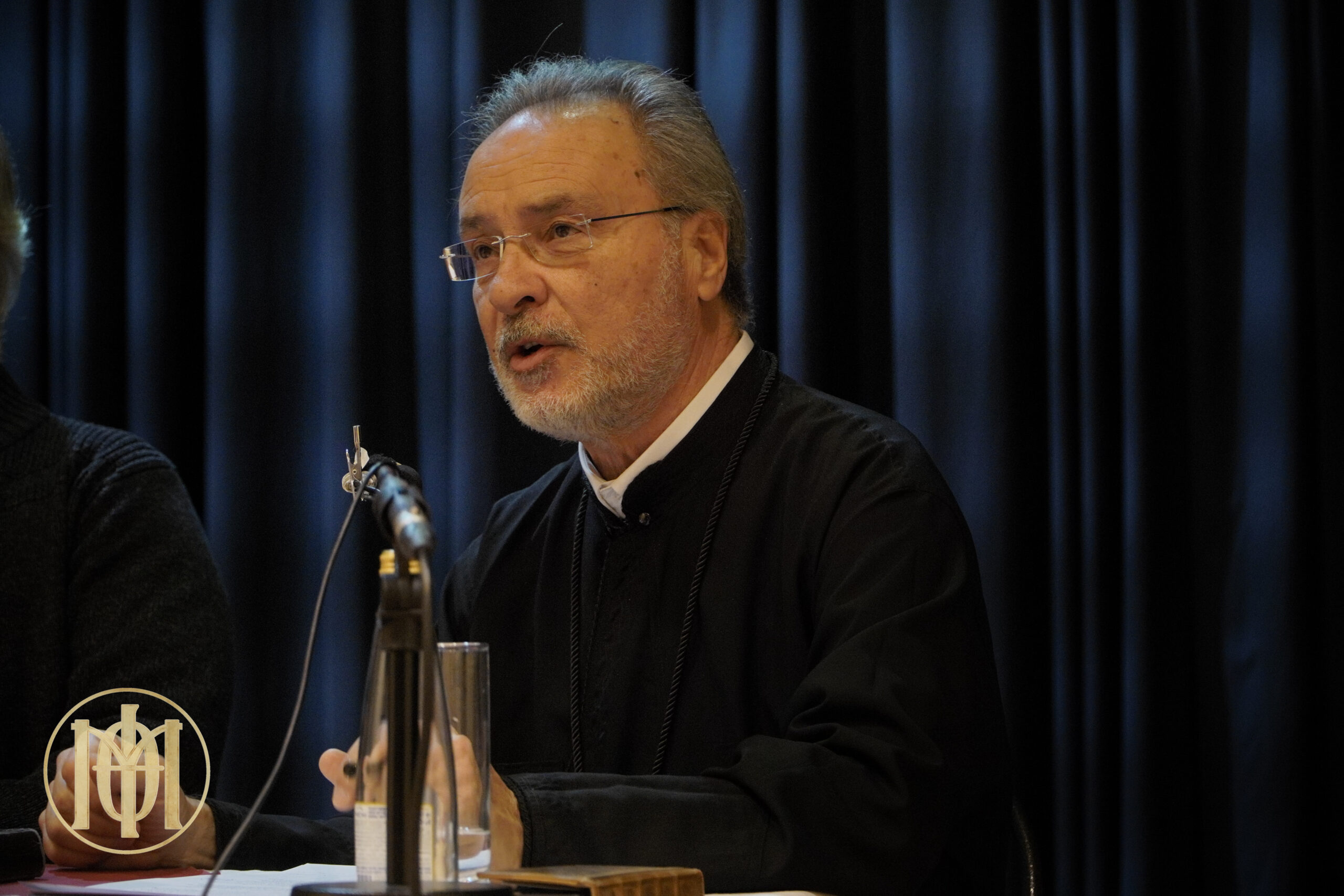
Rev. Dr. John Chryssavgis emphasized that the thirty-five years of Bartholomew’s ministry on the Ecumenical Throne mark an unprecedented historical milestone: he is the longest-serving Ecumenical Patriarch in the 1,700-year history of the institution. When he was elected the 270th Archbishop of Constantinople, Bartholomew was already prepared and determined to put into practice the lessons he had learned during his many years of service alongside his predecessor, Ecumenical Patriarch Demetrios. At the same time, he was deeply committed to realizing his own vision of an Orthodox Church firmly rooted in the present while oriented toward the future.
From the very beginning, the global witness of Orthodoxy in the contemporary world has been a defining characteristic of Patriarch Bartholomew’s vision. Throughout his patriarchal ministry, he has worked consistently and unwaveringly toward its realization. His enthronement address of 1991, understood as a programmatic declaration of a patriarchal vision, has been remarkably vindicated by the exceptional achievements of the ensuing thirty-five years.
The diverse and far-reaching aspirations expressed at the beginning of his ministry have become tangible accomplishments during an extraordinary patriarchal tenure — a fruitful and meaningful journey marked by historic milestones, decisive initiatives, and defining moments.
Distinguished Attendance
The event was organized and coordinated on behalf of the Metropolis of Thessaloniki by Archimandrite Barnabas Yagou, Director of the Office of Youth and Pastoral Ministry, along with his dedicated team of colleagues.
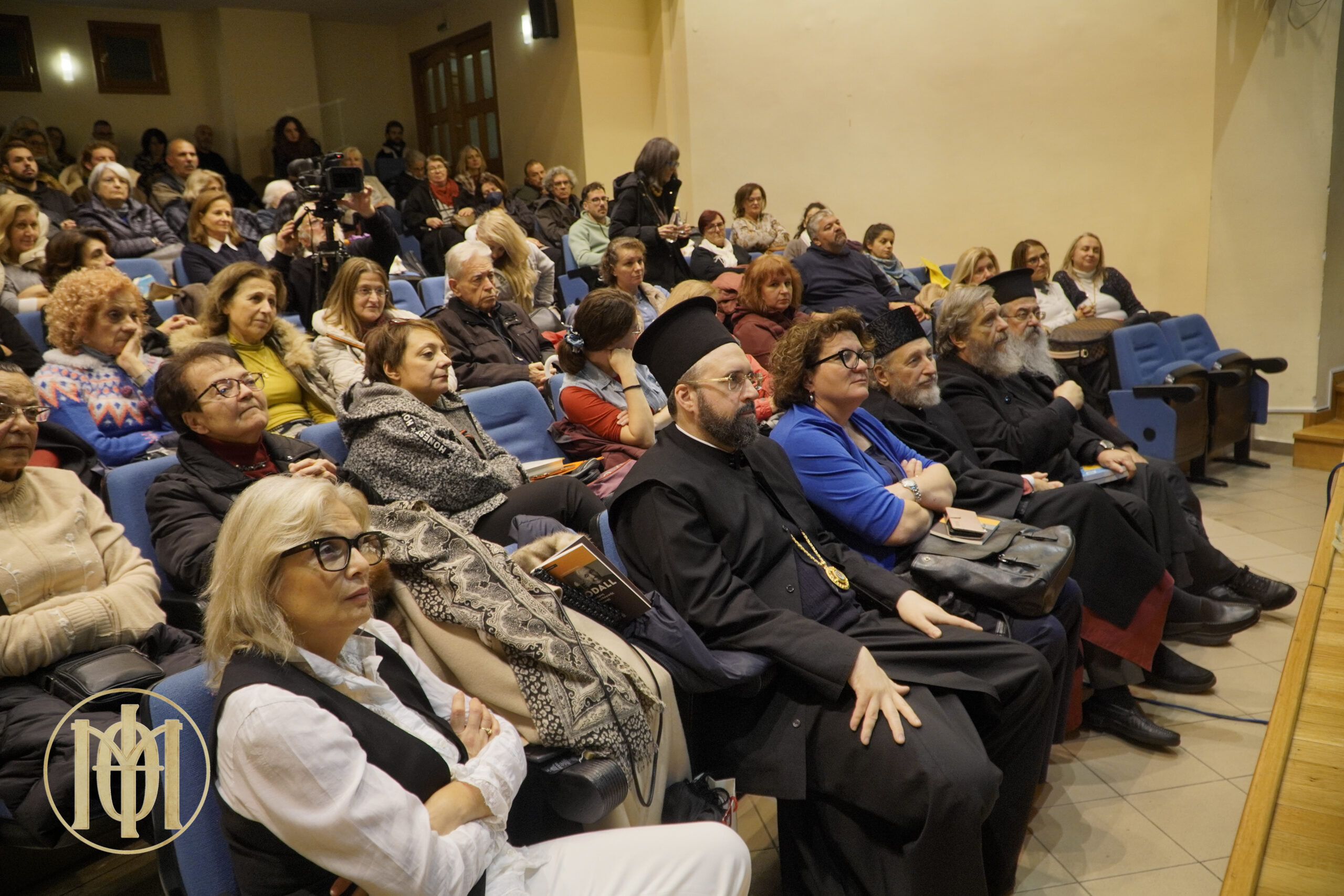
Among those in attendance were Bishop Nikephoros of Amorion, Abbot of the Holy Patriarchal and Stavropegial Monastery of Vlatadon; Bishop Isidoros of Andidon, Assistant Professor at the Faculty of Theology of the University of Athens; Professor Apostolos Kralidis, Chair of the Department of Social Theology and Christian Culture at Aristotle University of Thessaloniki; Dr. Flora Karagianni, Director of the Museum of Byzantine Culture; and Anastasios Douros, Director of the Athonite Center in Thessaloniki.
Numerous other members of the Thessaloniki community also attended the book launch and presentation, reflecting the profound appreciation and respect for the person and ministry of Ecumenical Patriarch Bartholomew.
At the conclusion of the event, the Metropolis of Thessaloniki presented all attendees with a complimentary copy of the newly published volume.
View additional photographs from the event
Issued by the Holy Metropolis of Thessaloniki